The Future of International Alliances: Examining NATO’s Role and U.S. Commitments in 2026
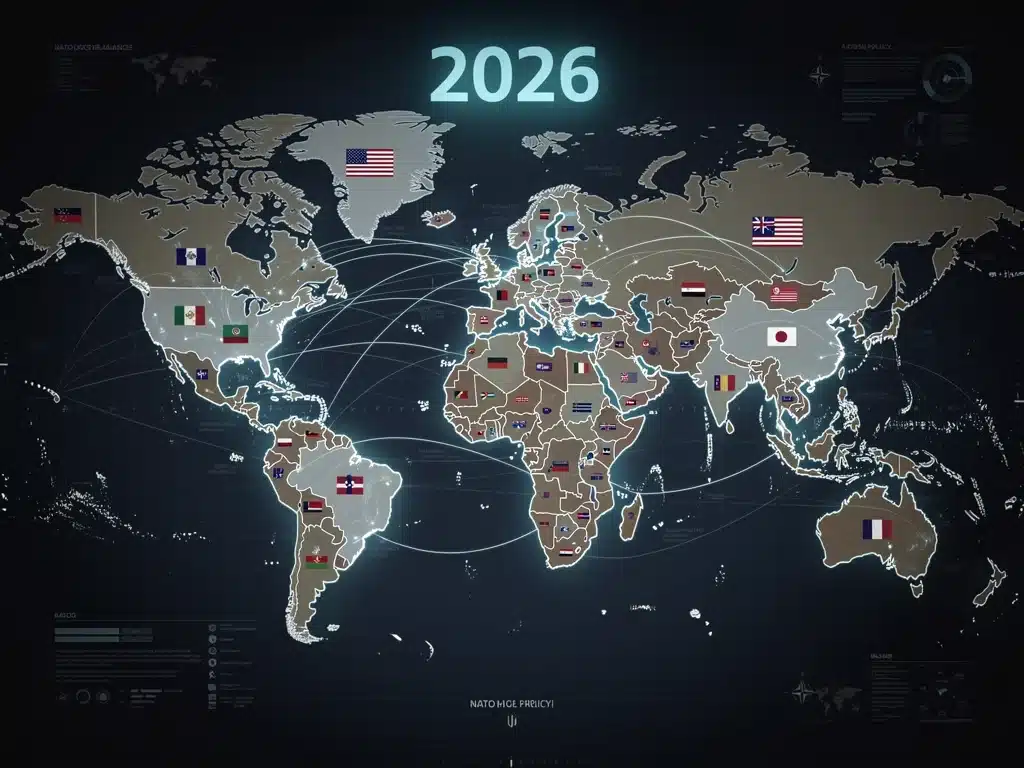
As the global security landscape undergoes massive shifts, all eyes are on how transatlantic ties will hold under pressure. Understanding the current trajectory of NATO US Commitments has never been more critical to predicting the balance of international power.
Recent diplomatic breakthroughs and strategic realignments are rapidly redefining how Washington backs its historic allies. This analysis cuts through the political noise to deliver the essential updates on these pivotal shifts in mutual defense.
With the alliance reaching a decisive turning point, staying ahead of these defense strategies is vital. Here is what has actually changed, why it matters for global stability, and the key indicators you need to watch next.
NATO’s Evolving Mandate and Strategic Adaptations
NATO, as the cornerstone of transatlantic security, faces an increasingly complex threat environment, necessitating continuous adaptation of its mandate. The alliance’s strategic concept, last updated in 2022, provides a framework, but real-world events consistently test its flexibility and resolve.
The ongoing conflict in Ukraine has dramatically reshaped European security, bringing renewed focus to collective defense and deterrence.
This has prompted a re-evaluation of force structures, readiness levels, and defense spending across member states, directly impacting NATO US Commitments.
In 2026, NATO’s mandate will be further scrutinized as new technological advancements and hybrid threats emerge, requiring innovative responses.
The alliance must balance traditional defense with cyber warfare, disinformation campaigns, and space security, ensuring its relevance in a multi-domain operational environment.
Shifting Geopolitical Landscape
The geopolitical landscape around 2026 is characterized by increasing great power competition and regional instabilities.
China’s rising influence and Russia’s assertive posture challenge the established international order, compelling NATO to broaden its strategic considerations beyond its traditional Euro-Atlantic focus.
These shifts demand a more integrated approach to security, where economic leverage, technological dominance, and diplomatic initiatives play as crucial a role as military might.
The alliance’s ability to forge consensus among diverse member interests will be key to navigating these turbulent waters, directly influencing NATO US Commitments.
Furthermore, climate change and its security implications, including resource scarcity and forced migration, are increasingly recognized as factors impacting stability.
NATO is beginning to incorporate these non-traditional threats into its strategic planning, reflecting a more holistic understanding of security.
Internal Cohesion and Burden-Sharing
Internal cohesion remains a vital component of NATO’s strength, yet disparities in defense spending and strategic priorities among member states persist. The long-standing goal of 2% of GDP on defense, while increasingly met by more nations, still sees some lagging, creating friction.
The United States consistently advocates for greater burden-sharing, arguing that a more equitable distribution of defense responsibilities strengthens the entire alliance.
This push is a recurring theme in discussions about NATO US Commitments and shapes bilateral relations within the alliance.
- Increased defense spending targets for all members.
- Equitable distribution of operational and financial contributions.
- Streamlined decision-making processes for rapid response.
U.S. Commitments to NATO: A Pillar of Stability
U.S. commitments to NATO have historically been the bedrock of transatlantic security, providing a robust deterrent against aggression and fostering collective defense.
The principle of Article 5, where an attack on one is an attack on all, underscores the indivisible nature of this bond, shaping NATO US Commitments for decades.
In 2026, the extent and nature of these commitments will continue to be a focal point, influenced by domestic political dynamics within the U.S. and evolving global threats.
Presidential administrations, regardless of party, typically reaffirm support, yet the nuances of policy can vary significantly.
The U.S. military presence in Europe, its leadership in joint exercises, and its technological contributions are critical manifestations of its commitment. These elements reinforce NATO’s operational capabilities and send a clear signal of solidarity to potential adversaries.
Defense Spending and Modernization Efforts
U.S. defense spending, while substantial, is increasingly geared towards modernizing its own forces and supporting NATO’s collective modernization efforts.
This includes investments in advanced weaponry, cyber defense systems, and intelligence-sharing capabilities, all vital for maintaining a technological edge.
The focus on modernization is not solely about acquiring new hardware but also about developing new doctrines and training methodologies that reflect the complexities of modern warfare.
This collaborative approach ensures that NATO remains at the forefront of defense innovation, enhancing NATO US Commitments.
Moreover, the U.S. plays a crucial role in promoting interoperability among allied forces, ensuring that diverse military units can operate seamlessly together.
This includes standardized equipment, communication protocols, and joint command structures, which are essential for effective collective defense.
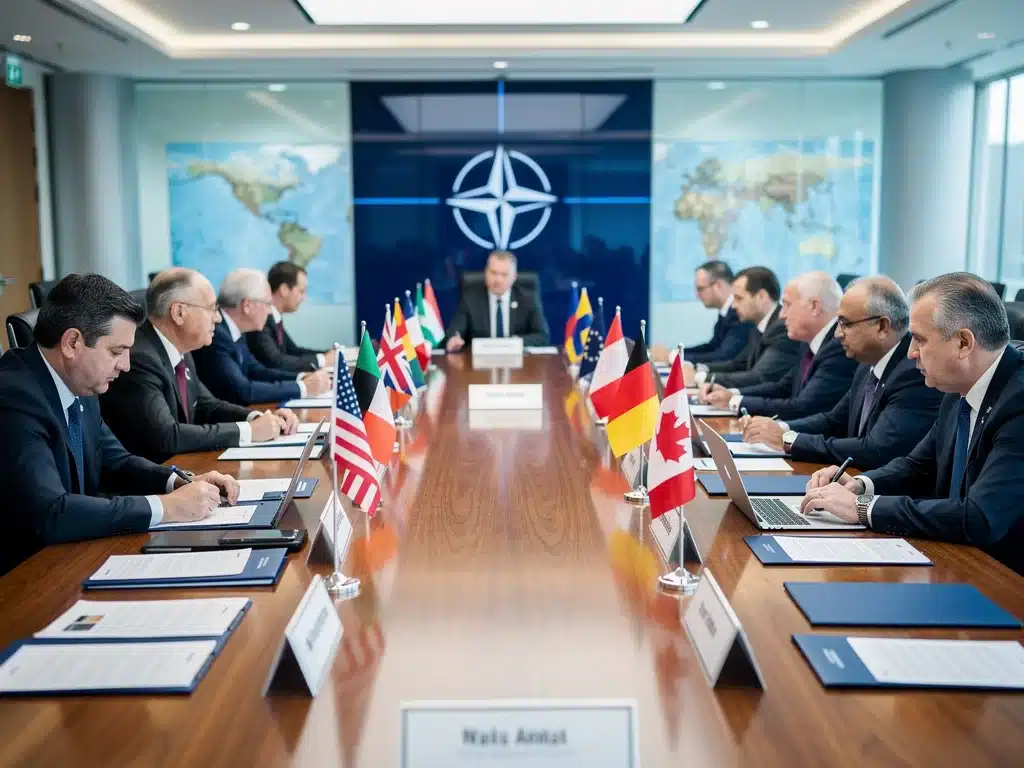
Strategic Partnerships and Global Reach
Beyond Europe, U.S. commitments to NATO are increasingly intertwined with its broader strategic partnerships across the globe.
The Indo-Pacific region, in particular, is gaining prominence in U.S. foreign policy, leading to discussions about how NATO can engage with partners in that theater without diluting its core mission.
These discussions highlight the evolving concept of global security, where regional conflicts can have far-reaching implications and require coordinated international responses.
The U.S. seeks to leverage NATO’s diplomatic and military strengths to address challenges that extend beyond the Euro-Atlantic area, impacting NATO US Commitments.
The development of new frameworks for cooperation with non-NATO allies, such as Australia, Japan, and South Korea, reflects this expanded strategic vision. These partnerships aim to create a more robust network of like-minded nations committed to upholding international norms and security.
Emerging Threats and Future Challenges for the Alliance
The landscape of threats facing NATO is continually evolving, demanding constant vigilance and strategic foresight. Beyond traditional state-on-state aggression, the alliance must contend with a myriad of non-state actors and asymmetric threats that challenge conventional defense paradigms.
Cyber warfare, for instance, has emerged as a pervasive and insidious threat, capable of disrupting critical infrastructure and influencing democratic processes.
NATO’s collective cyber defense capabilities are continuously being strengthened, but the dynamic nature of these attacks requires ongoing investment and adaptation, influencing NATO US Commitments.
Disinformation campaigns, often state-sponsored, represent another significant challenge, eroding public trust and sowing discord within allied nations.
Countering these efforts requires a comprehensive approach that combines intelligence sharing, public education, and robust media literacy initiatives.
Technological Disruption and AI Integration
Technological disruption, particularly in artificial intelligence (AI) and autonomous systems, presents both opportunities and challenges for NATO.
While these technologies can enhance military capabilities and decision-making, they also introduce new ethical considerations and potential vulnerabilities.
NATO is actively exploring the responsible integration of AI into its defense systems, ensuring that these advancements align with democratic values and international law.
This involves fostering innovation while establishing clear guidelines for the development and deployment of AI-powered technologies, impacting NATO US Commitments.
The race for technological supremacy among global powers means that NATO cannot afford to fall behind. Investment in research and development, combined with strategic partnerships with the private sector, will be crucial for maintaining a competitive edge.
Resilience and Critical Infrastructure Protection
Ensuring the resilience of critical infrastructure against both physical and cyber attacks is a growing priority for NATO members. Energy grids, communication networks, and transportation systems are increasingly vulnerable, and their disruption could have catastrophic consequences.
NATO is working to enhance collective resilience through information sharing, joint training exercises, and the development of best practices for critical infrastructure protection.
This collaborative effort helps member states identify vulnerabilities and implement robust defense measures, strengthening NATO US Commitments.
The concept of resilience extends beyond physical infrastructure to societal resilience, encompassing the ability of nations to withstand and recover from various shocks. This includes public health emergencies, natural disasters, and economic crises, all of which can impact national security.
The Role of Diplomacy and Deterrence in 2026
Diplomacy and deterrence remain central pillars of NATO’s strategy, working in tandem to prevent conflict and maintain stability.
While military strength provides the necessary deterrent, robust diplomatic engagement is essential for de-escalation, conflict resolution, and fostering international cooperation.
In 2026, NATO’s diplomatic efforts will be critical in managing relations with revisionist powers and engaging with emerging global actors.
This involves maintaining open channels of communication while clearly articulating the alliance’s red lines and collective resolve, reinforcing NATO US Commitments.
The alliance’s role in promoting arms control and non-proliferation will also be vital, especially in an era of renewed nuclear risks. Diplomatic initiatives aimed at reducing strategic arsenals and preventing the spread of weapons of mass destruction are crucial for global security.
Strengthening Partnerships Beyond Membership
NATO’s network of partnerships extends beyond its formal membership, encompassing a wide array of countries and international organizations. These partnerships are crucial for addressing shared security challenges and promoting stability in various regions.
In 2026, strengthening these partnerships will be a key diplomatic priority, particularly with countries in the Western Balkans, the Middle East, and North Africa.
These regions are often sources of instability, and engaging with local actors can help prevent conflicts and counter terrorism, reflecting NATO US Commitments.
Cooperation with the European Union is also paramount, given the overlapping security interests and shared values. A coordinated approach between NATO and the EU enhances the effectiveness of both organizations in responding to crises and promoting regional stability.
Maintaining a Credible Deterrent
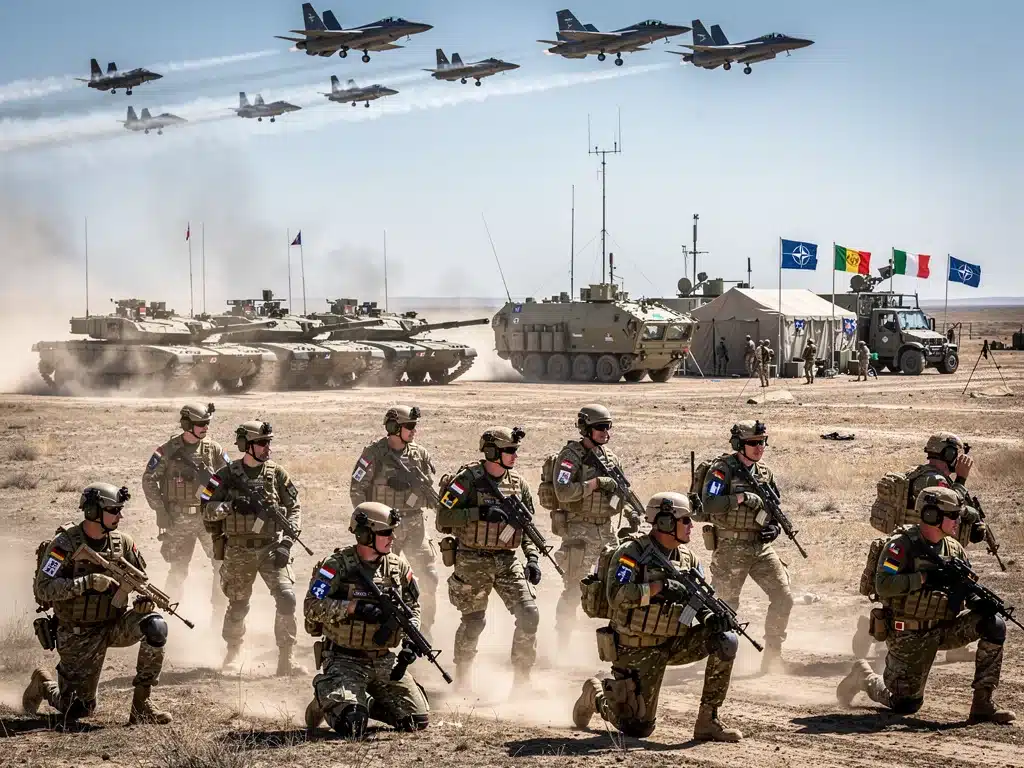
Maintaining a credible deterrent requires not only military capabilities but also the political will to use them if necessary. This involves regular exercises, clear communication of intentions, and a united front among allied nations.
In 2026, NATO’s deterrent posture will be continually tested by adversaries seeking to probe its weaknesses and challenge its resolve. The alliance must demonstrate its readiness and capability to respond to any act of aggression, ensuring the continued effectiveness of NATO US Commitments.
The integration of advanced conventional capabilities with nuclear deterrence remains a complex but essential aspect of NATO’s strategy. This multi-layered approach aims to dissuade aggression across the full spectrum of potential threats, from conventional attacks to strategic assaults.
Adapting to a Multipolar World Order
The world in 2026 is increasingly multipolar, characterized by multiple centers of power and influence, rather than a single dominant hegemon. This shift presents both challenges and opportunities for NATO, requiring a nuanced and adaptable approach to international relations.
In this multipolar environment, NATO must navigate complex relationships with rising powers, some of whom may not share its democratic values or strategic interests.
This necessitates a combination of cooperation, competition, and, where necessary, confrontation, impacting NATO US Commitments.
The alliance’s ability to project stability and influence in various regions will be crucial for maintaining its relevance. This involves leveraging its diplomatic, economic, and military tools to promote its interests and values in a contested global landscape.
Regional Security Dynamics
Regional security dynamics play an increasingly significant role in shaping global stability, and NATO must be attuned to developments in various theaters. The Arctic, for instance, is emerging as a new strategic frontier due to climate change and increased resource competition.
NATO’s presence and activities in the Arctic region are growing, reflecting the need to protect allied interests and ensure freedom of navigation. This involves coordinating with Arctic nations and monitoring the activities of other global powers, influencing NATO US Commitments.
Similarly, the Black Sea region remains a critical area of concern, given its proximity to ongoing conflicts and the strategic interests of multiple actors. NATO’s enhanced forward presence in this region underscores its commitment to deterring aggression and maintaining stability.
The Future of Arms Control
The future of arms control in a multipolar world is uncertain, with existing treaties under strain and new technologies posing fresh challenges. NATO advocates for responsible arms control measures, but the lack of consensus among major powers complicates progress.
In 2026, NATO will continue to push for renewed dialogue on arms control, emphasizing transparency and risk reduction to prevent unintended escalation.
This diplomatic effort is crucial for managing strategic competition and ensuring global stability, directly affecting NATO US Commitments.
The proliferation of advanced conventional weapons and the potential for new arms races highlight the urgency of these discussions. NATO seeks to prevent a return to an era of unchecked military expansion, advocating for predictable and verifiable arms control regimes.
Frequently Asked Questions About NATO and U.S. Commitments
In 2026, NATO’s primary focus is on adapting its mandate to address a complex array of threats, including traditional military aggression, cyber warfare, and disinformation campaigns. The alliance is also prioritizing internal cohesion and equitable burden-sharing among member states to enhance collective defense capabilities.
U.S. commitments remain crucial for NATO’s effectiveness and deterrence posture. These include significant defense spending, military presence in Europe, technological contributions, and leadership in joint exercises. The U.S. role is a pillar of stability, ensuring the alliance can respond to evolving global security challenges.
By 2026, NATO is intensifying preparations for emerging threats such as advanced cyber attacks, the responsible integration of artificial intelligence into defense systems, and sophisticated disinformation campaigns. The alliance is also increasingly considering the security implications of climate change and critical infrastructure protection.
The multipolar world order requires NATO to adopt a more nuanced and adaptable strategy. This involves navigating complex relationships with multiple global powers, engaging in diplomacy, and maintaining a credible deterrent. The alliance must project stability and influence across various regions, including the Arctic and Black Sea.
NATO advocates for responsible arms control measures and renewed dialogue to reduce strategic risks and prevent escalation. Despite challenges in achieving consensus among major powers, the alliance continues to push for transparency, predictability, and verifiable arms control regimes to ensure global stability and prevent new arms races.
Looking Ahead: Implications for Global Security
The ongoing evolution of The Future of International Alliances carries profound implications for global security. The alliance’s ability to adapt to new threats, maintain internal cohesion, and navigate a multipolar world will determine its continued relevance and effectiveness.
Readers should closely monitor upcoming NATO summits, U.S. foreign policy statements, and defense spending trends across member states.
These developments will provide crucial insights into the strategic direction of the alliance and its capacity to uphold peace and stability in an increasingly volatile international environment.