Global Food Security Crisis: How International Shortages Could Drive U.S. Food Prices Up 5% by Mid-2026
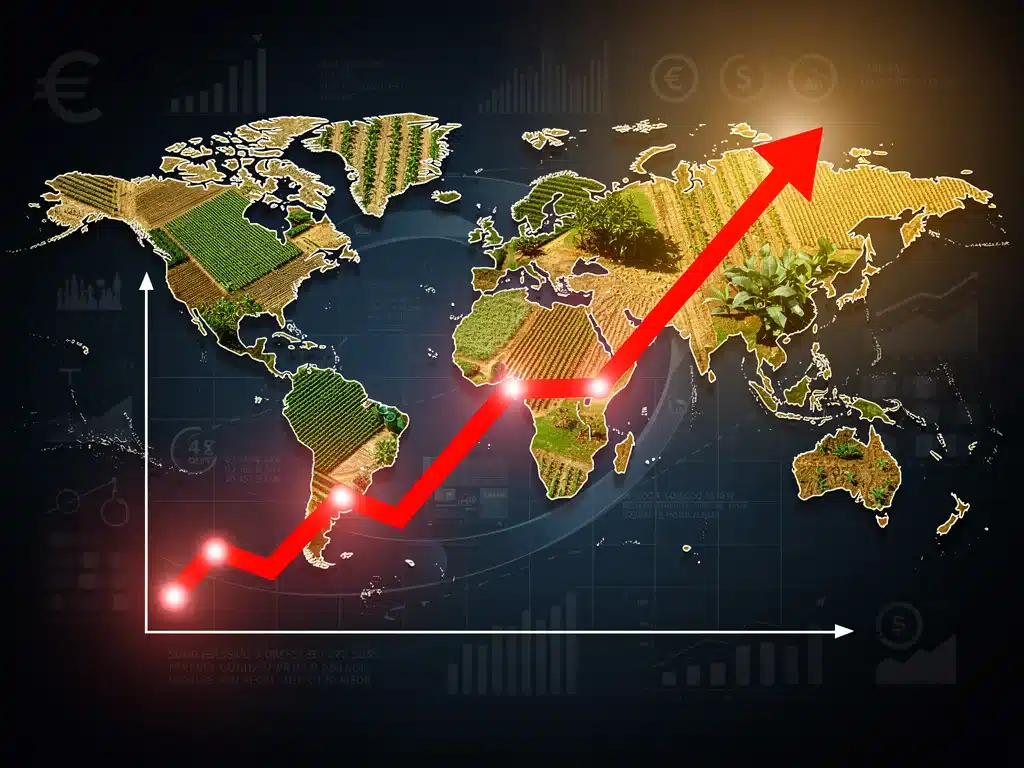
Imagine walking down the grocery aisle and seeing your weekly bill jump overnight. The escalating Global Food Security Crisis is no longer a distant concern—it’s headed straight for American dinner tables, with international supply shocks threatening to push domestic food prices up by 5% by mid-2026.
A perfect storm of geopolitical friction, unpredictable climate events, and fragile trade routes is driving this worldwide agricultural instability. As essential goods become costlier, what begins as an international shortfall is quickly morphing into a personal financial burden for millions of U.S. households.
Navigating this looming crunch requires understanding the forces at play behind these rising supermarket costs. Here is a clear breakdown of the key drivers, expert forecasts, and critical trends you need to watch as this situation unfolds.
Understanding the Looming Global Food Security Crisis
The global food security crisis is not a sudden phenomenon but a culmination of interconnected challenges that have been building over time.
Factors such as extreme weather events, regional conflicts, and ongoing economic volatility are significantly disrupting agricultural production and distribution worldwide.
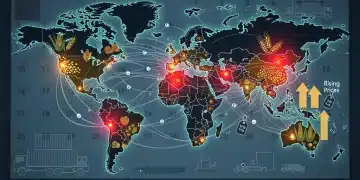
These disruptions create a domino effect, where a shortage in one key producing region can send ripples across the entire international food market. The interconnectedness of global supply chains means that local problems quickly become global issues, directly impacting availability and pricing.
Forecasting models now suggest that these international shortages are poised to exert substantial upward pressure on U.S. food prices, with a projected increase of 5% by mid-2026. This potential hike underscores the urgency of addressing the multifaceted nature of this crisis.
Geopolitical Tensions and Supply Chain Vulnerabilities
Geopolitical conflicts, particularly in major agricultural regions, exacerbate existing supply chain vulnerabilities. Blockades, trade restrictions, and damaged infrastructure directly impede the movement of essential food commodities, creating artificial scarcity.
These tensions not only affect direct food exports but also disrupt the supply of critical agricultural inputs like fertilizers and fuel, further complicating production cycles. The ripple effect extends to global markets, where uncertainties translate into higher commodity prices.
Such disruptions highlight the fragility of the current global food system, making it more susceptible to shocks. Addressing these underlying vulnerabilities is paramount to ensuring a more resilient and stable food supply for all.
- Conflicts in key grain-producing areas reduce global availability.
- Export restrictions by nations prioritize domestic supply, limiting international trade.
- Sanctions and trade disputes impact the flow of agricultural inputs.
Climate Change and Agricultural Output
Climate change continues to manifest in increasingly severe and unpredictable weather patterns, directly threatening agricultural output. Prolonged droughts, intense floods, and extreme temperatures devastate crops and livestock in crucial farming regions.
These climatic shifts reduce yields, damage infrastructure, and make farming increasingly precarious, leading to reduced overall production. The long-term implications for global food supplies are profound, as traditional agricultural zones become less reliable.
The need for climate-resilient agricultural practices and adaptation strategies has never been more urgent. Without significant interventions, climate change will remain a primary driver of the ongoing global food security crisis.
Projected U.S. Food Price Increases by Mid-2026
The forecast of a 5% increase in U.S. food prices by mid-2026 is based on a comprehensive analysis of global economic indicators and agricultural market trends. This projection considers the compounding effects of international shortages and domestic economic factors.
This anticipated rise will not be uniform across all food categories but is expected to impact staple goods and imported produce significantly. Consumers should prepare for higher costs at the grocery store, affecting household budgets and purchasing power.
The economic models behind these predictions factor in inflation, transportation costs, and evolving consumer demand, painting a clear picture of the challenges ahead. Understanding these projections helps individuals and families plan accordingly for the upcoming period.
Impact on Consumer Purchasing Power
A 5% increase in food prices, coupled with existing inflationary pressures, will notably diminish consumer purchasing power. For many households, a larger portion of their budget will be allocated to food, potentially reducing discretionary spending.
Lower-income families will be disproportionately affected, as food constitutes a larger percentage of their total expenditures. This could lead to difficult choices regarding nutrition and other essential needs, exacerbating existing inequalities.
Policymakers are now facing the challenge of developing strategies to buffer these impacts, such as expanding food assistance programs or exploring subsidies to stabilize prices. The real cost of the global food security crisis will be felt most acutely at the household level.
Specific Food Categories at Risk
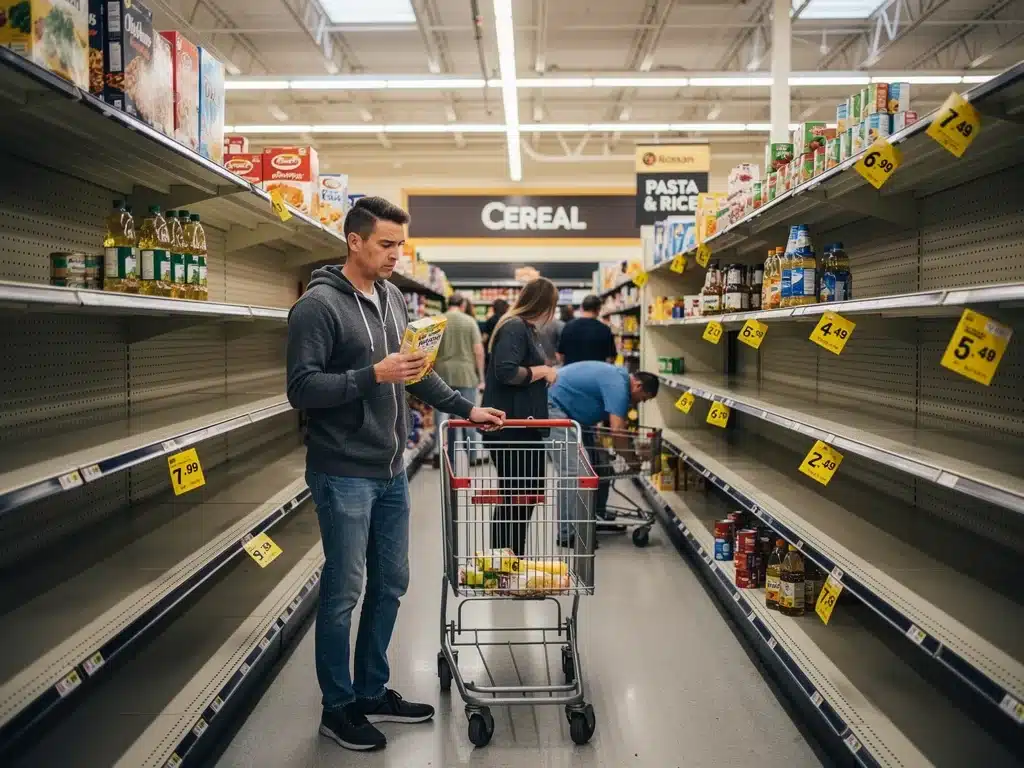
Certain food categories are more vulnerable to international shortages and are thus expected to see the most significant price hikes. These often include grains like wheat and corn, which are globally traded commodities, and specialty produce reliant on specific climatic conditions.
Meat and dairy products could also experience indirect price increases due to higher feed costs, as grain prices rise. This complex interplay means that even domestically produced goods are not immune to global market fluctuations.
Consumers can expect to see changes in the availability and cost of items ranging from bread and pasta to imported fruits and vegetables. Diversifying food sources and supporting local agriculture may offer some protection against these anticipated increases.
- Wheat and corn prices are highly susceptible to global supply shocks.
- Imported fruits and vegetables could become more expensive due to logistics and production issues.
- Dairy and meat prices may rise as feed costs increase for livestock.
Interconnected Global Supply Chains
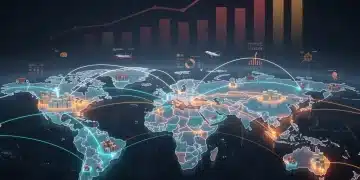
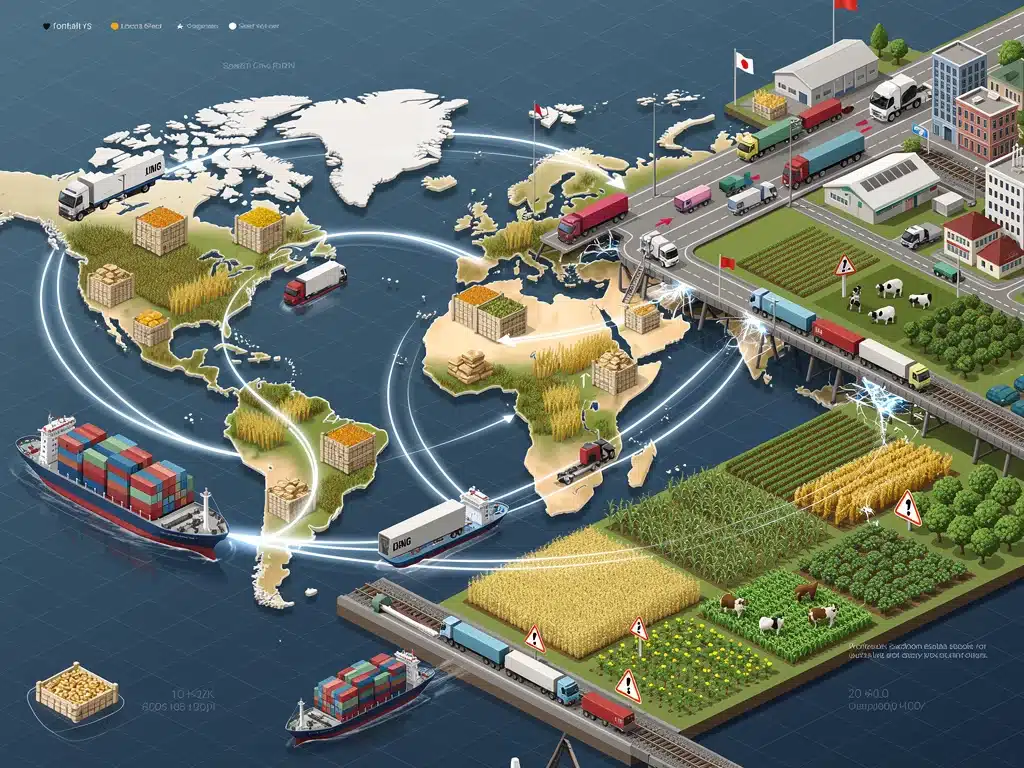
The modern food system operates on deeply interconnected global supply chains, making it efficient yet vulnerable to widespread disruption. A problem in one part of the world can quickly cascade, affecting food availability and prices thousands of miles away.
This complex web involves not just the movement of food, but also seeds, fertilizers, and machinery across continents. Any bottleneck or interruption, whether from natural disaster or geopolitical event, can have far-reaching consequences.
The U.S., despite its robust domestic agricultural sector, relies on these global chains for a diverse range of products and inputs. This reliance means the global food security crisis is inherently a domestic concern as well.
Logistics and Transportation Challenges
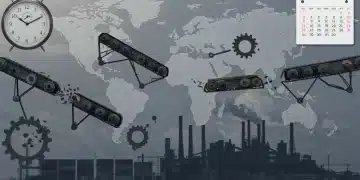
Logistics and transportation are critical components of the global food supply chain, and they are currently facing significant challenges. Rising fuel costs, labor shortages, and port congestions are increasing the expense and complexity of moving food products.
These bottlenecks delay shipments, lead to spoilage, and add to the overall cost of goods, which is ultimately passed on to the consumer. The efficiency of global trade routes is paramount to maintaining stable food prices.
Innovations in logistics and investments in resilient transportation infrastructure are essential to mitigate these ongoing issues. Without improvements, these challenges will continue to contribute to the upward pressure on food prices.
Government and Industry Responses
Governments and industries worldwide are grappling with how to respond to the escalating global food security crisis. Various strategies are being explored, from bolstering strategic food reserves to investing in climate-resilient agriculture and diversifying supply sources.
International cooperation is becoming increasingly important, with calls for coordinated efforts to stabilize markets and ensure humanitarian aid reaches vulnerable populations. The scale of the problem necessitates a multifaceted and collaborative approach.
Domestically, the U.S. government is considering measures to protect consumers from price volatility and support farmers in adapting to new challenges. These responses are crucial in mitigating the impact of rising food costs.
Policy Measures to Mitigate Price Hikes
Governments are exploring several policy measures to mitigate the anticipated food price hikes. These include subsidies for farmers, tariffs on certain imports or exports, and direct financial assistance to low-income households.
Additionally, efforts to streamline domestic supply chains and reduce food waste are gaining traction as practical steps to improve food security. Regulatory frameworks are also being reviewed to enhance market transparency and prevent price gouging.
The effectiveness of these policies will depend on their timely implementation and ability to adapt to dynamic global conditions. A robust policy response is vital in addressing the domestic implications of the global food security crisis.
- Strategic grain reserves can help stabilize domestic supply during shortages.
- Investment in sustainable agriculture aims to increase local food production.
- International agreements can facilitate trade and prevent protectionist policies.
Long-Term Outlook and Resilience Strategies
The long-term outlook for global food security requires a fundamental shift towards more resilient and sustainable food systems. This involves not only addressing immediate shortages but also building robust infrastructure and practices that can withstand future shocks.
Investing in agricultural research and development, particularly in areas like drought-resistant crops and precision farming, is critical. These innovations can boost productivity and reduce reliance on volatile environmental conditions.
Furthermore, fostering greater regional self-sufficiency in food production can reduce dependence on distant and vulnerable supply chains. These resilience strategies are essential for a stable food future in the face of the ongoing global food security crisis.
Technological Innovations in Agriculture
Technological innovations are playing an increasingly vital role in enhancing agricultural productivity and resilience. Precision agriculture, using drones and IoT sensors, allows farmers to optimize resource use, reducing waste and increasing yields.
Biotechnology offers solutions for developing crops that are more resistant to pests, diseases, and extreme weather conditions. These advancements are crucial for maintaining food supply in a changing climate.
From vertical farming to advanced irrigation systems, technology provides pathways to more efficient and sustainable food production. Embracing these innovations is key to building a more secure food future.
Consumer Adaptations and Preparedness
As the global food security crisis intensifies, consumers in the U.S. can adopt several strategies to adapt and prepare for rising food prices. These proactive measures can help mitigate the financial impact and ensure continued access to nutritious food.
Budgeting carefully, planning meals, and reducing food waste are practical steps that can make a significant difference. Exploring local food markets and community-supported agriculture (CSA) programs can also provide more stable and affordable options.
Understanding where food comes from and making informed purchasing decisions will be crucial in navigating the challenges ahead. Preparedness at the individual level complements broader governmental and industry efforts.
Budgeting and Meal Planning Tips
Effective budgeting and meal planning are essential tools for consumers facing rising food costs. Creating a weekly meal plan and shopping list can help avoid impulse purchases and reduce overall grocery expenses.
Prioritizing seasonal and locally sourced produce can often lead to better prices and fresher ingredients. Utilizing leftovers and minimizing food waste are also key strategies to stretch food budgets further.
These practices not only save money but also contribute to a more sustainable consumption pattern. Small changes in daily habits can collectively make a substantial impact on managing the effects of the global food security crisis.
- Create weekly meal plans to optimize grocery spending.
- Buy seasonal and local produce to support local economies and reduce costs.
- Reduce food waste by repurposing leftovers and proper storage.
International Cooperation and Global Governance
Addressing the global food security crisis effectively requires unprecedented levels of international cooperation and robust global governance. No single nation can solve this multifaceted problem alone; coordinated efforts are essential.
International organizations, such as the UN Food and Agriculture Organization (FAO) and the World Food Programme (WFP), play a crucial role in monitoring global food supplies, coordinating aid, and promoting sustainable agricultural practices.
Diplomatic efforts to resolve conflicts, stabilize trade routes, and share agricultural technologies are vital. A unified global approach is the most effective way to ensure food security for all, preventing widespread hunger and instability.
Role of International Organizations
International organizations are at the forefront of the fight against the global food security crisis, providing critical data, expertise, and humanitarian assistance. They facilitate dialogue between nations, helping to forge consensus on policies and interventions.
These bodies also mobilize resources for emergency food aid and long-term development projects aimed at strengthening agricultural systems in vulnerable regions. Their role in coordinating global responses is indispensable.
By fostering collaboration and sharing best practices, international organizations help build a more resilient and equitable global food system. Their ongoing efforts are central to mitigating the impacts of current and future crises.
| Key Point | Brief Description |
|---|---|
| Price Hike Projection | U.S. food prices expected to increase by 5% by mid-2026. |
| Driving Factors | Geopolitical conflicts, climate change, and supply chain disruptions. |
| Consumer Impact | Reduced purchasing power, especially for low-income households. |
| Mitigation Strategies | Policy measures, technological innovation, and consumer adaptations. |
Frequently Asked Questions About the Global Food Security Crisis
The current global food security crisis is primarily driven by a combination of factors including escalating geopolitical conflicts, particularly in major agricultural regions, and increasingly severe and unpredictable climate change events that disrupt crop yields and supply chains worldwide. Economic volatility further complicates international trade and distribution.
International shortages are expected to impact U.S. food prices by reducing the global supply of key commodities like grains and certain produce. This scarcity, combined with higher transportation and energy costs, will drive up import prices, which are then passed on to U.S. consumers, leading to an estimated 5% increase by mid-2026.
Consumers can prepare for rising food costs by implementing careful budgeting, meal planning, and reducing food waste. Exploring local food markets, supporting community-supported agriculture (CSA) programs, and prioritizing seasonal produce can also help mitigate the financial impact. Diversifying food sources is also a practical strategy.
Yes, certain food items are expected to be more affected. Globally traded commodities such as wheat, corn, and soybeans are highly susceptible to international shortages. Additionally, imported fruits and vegetables, and indirectly, meat and dairy products (due to higher feed costs), are likely to see significant price increases.
Governments and international organizations are crucial in addressing the global food security crisis. They implement policy measures like subsidies, strategic reserves, and humanitarian aid. International bodies foster cooperation, monitor global supplies, and promote sustainable agricultural practices, working to stabilize markets and ensure food access for vulnerable populations.
Looking Ahead
The impending impact of the global food security crisis, with its projected 5% increase in U.S. food prices by mid-2026, necessitates ongoing vigilance and adaptive strategies. While the challenges are significant, proactive measures at both governmental and individual levels can help soften the blow.
Monitoring global developments, supporting sustainable agricultural practices, and fostering international cooperation will be crucial in navigating this complex landscape. The interconnectedness of our global food system means that collective action is the most effective path forward.
As we move closer to mid-2026, the resilience of our food supply chains and the preparedness of consumers will be tested. Staying informed and making deliberate choices about food consumption and advocacy are essential steps for all citizens.