Global Supply Chain Disruptions: 2026 Impact on U.S. Consumer Prices
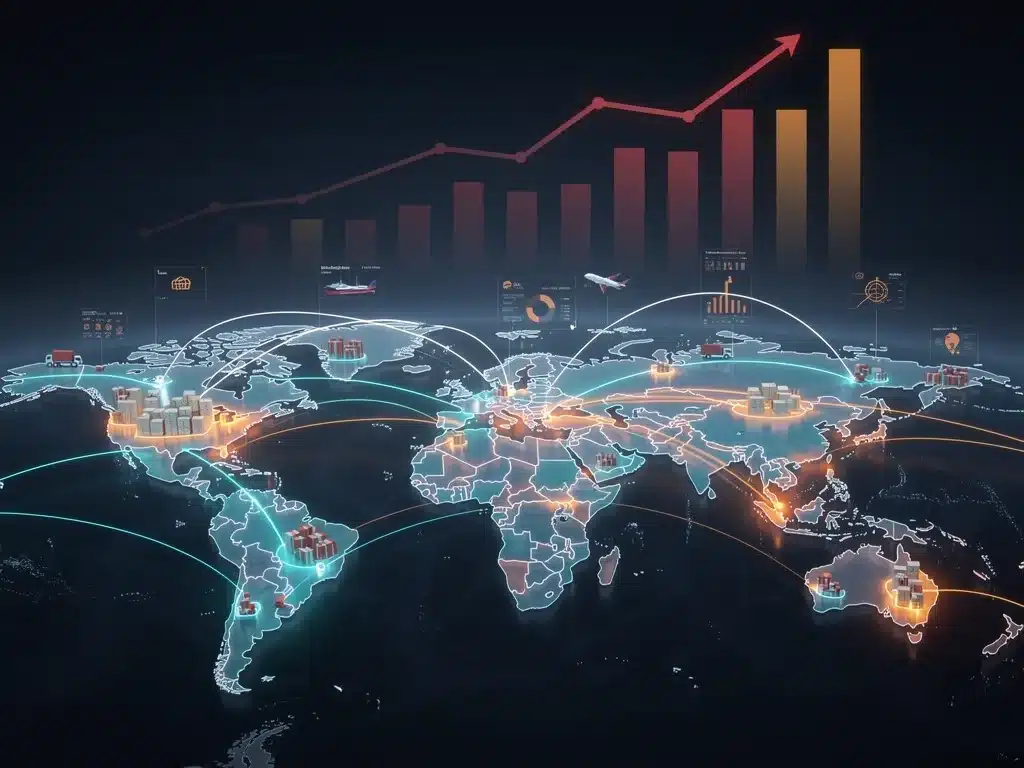
Have you noticed your grocery receipts and retail bills quietly creeping upward lately? In 2026, Global Supply Chain Disruptions are once again hitting home, directly triggering an estimated 3% increase in U.S. consumer prices.
This unexpected pressure on your wallet stems from a complex mix of geopolitical friction, new tariff realities, and bottlenecked maritime routes. As corporate safety nets wear thin, international shipping hurdles are translating into higher price tags on everyday American store shelves.
Understanding these shifting trade dynamics is essential for anyone trying to navigate this evolving economic landscape. Here is a breakdown of what is driving these logistical bottlenecks, why it impacts your budget, and the key indicators you need to watch next.
Understanding the Persistent Nature of Supply Chain Challenges
The global economy has faced an unprecedented series of shocks, from the COVID-19 pandemic to geopolitical conflicts and extreme weather events.
These incidents have exposed the inherent vulnerabilities within interconnected supply networks. The expectation is that these disruptions will not fully normalize by 2026, leading to continued inflationary pressures.
Reports from leading financial institutions and research bodies consistently point to structural issues that predate recent crises but have been exacerbated by them.
These include underinvestment in infrastructure, labor shortages in logistics, and an over-reliance on single-source suppliers for critical components. Addressing these deep-seated problems requires comprehensive, long-term strategies.
The projected 3% impact on U.S. consumer prices by 2026 is a direct consequence of these ongoing inefficiencies and elevated operational costs.
Businesses are passing these increased expenses onto consumers, leading to a reduction in purchasing power and affecting household budgets across the nation. This persistent inflation is a major concern for policymakers.
Key Drivers Behind the 2026 Price Impact
Several critical factors are converging to maintain pressure on global supply chains and, consequently, U.S. consumer prices.
These drivers are multifaceted, ranging from logistical bottlenecks to shifts in global trade policies. A thorough understanding of each component is essential for anticipating future trends and mitigating risks.
The cost of transportation, particularly ocean freight, remains significantly elevated compared to pre-pandemic levels, despite some recent moderation.
Fuel price volatility, port congestion in key global hubs, and a shortage of skilled labor, such as truck drivers, contribute to these persistent logistical challenges. These costs are ultimately reflected in the final price of goods.
Geopolitical tensions and trade policies also play a substantial role in shaping the supply chain landscape. Tariffs, sanctions, and efforts towards reshoring or nearshoring production can create new complexities and increase manufacturing costs.
These strategic shifts, while potentially beneficial in the long run for resilience, often lead to higher immediate expenses that impact consumers.
Logistical Bottlenecks and Freight Costs
- Port congestion remains a recurring issue, causing delays and increasing demurrage charges for shippers.
- Fuel price fluctuations directly impact shipping and trucking costs, which are then passed to consumers.
- Labor shortages, especially for truck drivers and port workers, continue to hinder efficient goods movement.
Raw Material Scarcity and Geopolitical Influence
The availability of critical raw materials, from semiconductors to agricultural commodities, has been erratic, leading to price spikes and production delays.
This scarcity is often compounded by geopolitical events, such as conflicts or trade disputes, which can restrict access to vital resources. Manufacturers face increased costs and uncertainty in securing necessary inputs.
Furthermore, climate change and extreme weather events are increasingly disrupting agricultural yields and transportation routes, adding another layer of unpredictability.
Droughts, floods, and severe storms can devastate crop production, leading to higher food prices, or damage infrastructure, causing logistical bottlenecks. These environmental factors are becoming more prominent in supply chain risk assessments.
The drive for greater supply chain resilience, while necessary, often involves diversifying suppliers or bringing production closer to home.
While this reduces vulnerability to distant disruptions, it can also mean higher production costs compared to established, lower-cost global manufacturing hubs. Consumers ultimately bear these additional expenses in the form of higher retail prices.
Impact on U.S. Consumer Spending and Household Budgets
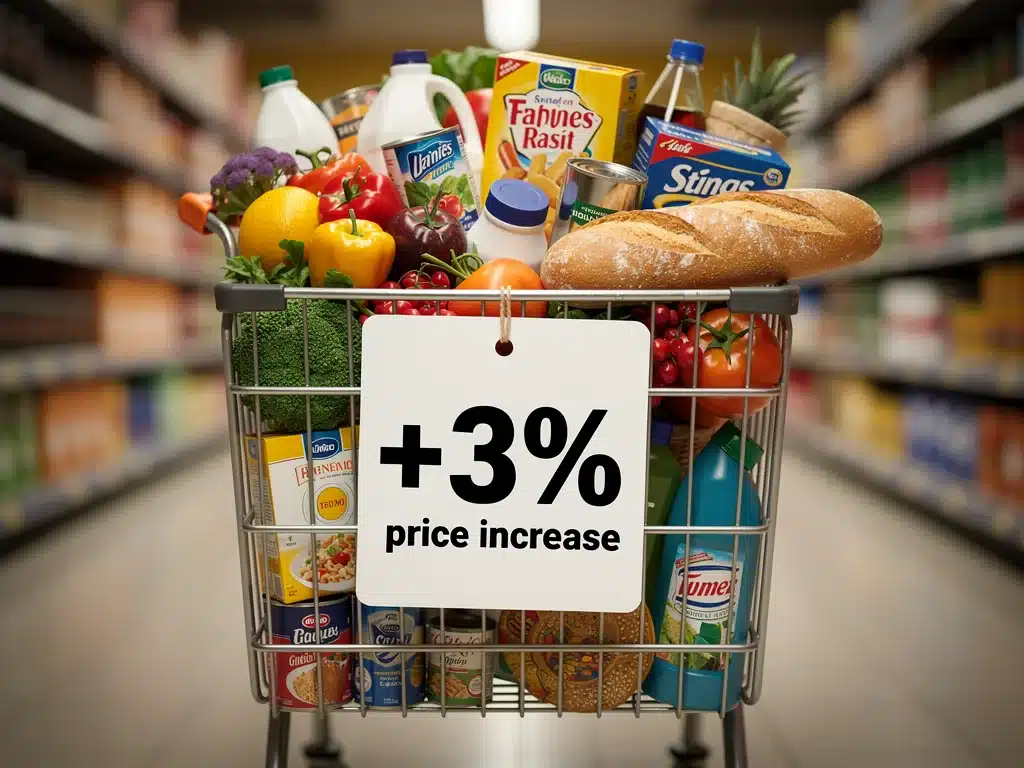
The projected 3% increase in U.S. consumer prices by 2026 due to global supply chain disruptions translates directly into reduced purchasing power for American households.
This inflationary pressure affects a wide range of goods and services, from everyday necessities like groceries and fuel to durable goods such as electronics and automobiles. Families must adapt their spending habits.
For many households, especially those on fixed incomes or with lower earnings, this sustained inflation erodes real wages, making it harder to afford essential items.
Discretionary spending often takes a hit, impacting sectors like entertainment, travel, and non-essential retail. The cumulative effect over time can lead to a significant decline in living standards for some segments of the population.
Businesses also feel the pinch, as higher input costs and reduced consumer demand can squeeze profit margins.
This can lead to difficult decisions regarding pricing, staffing, and investment, further impacting the broader economic landscape. The interplay between consumer behavior and business strategy is critical in navigating these inflationary periods.
Everyday Essentials and Discretionary Spending
- Grocery prices are expected to continue rising, forcing families to adjust food budgets and choices.
- Fuel costs remain a volatile component, directly impacting transportation and household expenses.
- Discretionary purchases, from clothing to electronics, may see reduced demand as budgets tighten.
Sector-Specific Vulnerabilities and Price Hikes
Certain sectors are particularly vulnerable to continued supply chain disruptions, leading to more pronounced price increases.
The automotive industry, for instance, has struggled with semiconductor shortages, resulting in fewer vehicles available and higher prices for both new and used cars. Electronics and home appliances also face similar challenges, affecting consumer durable goods.
The construction sector is another area experiencing significant cost pressures due to fluctuations in raw material prices, such as lumber, steel, and concrete.
These increased costs are passed on to homebuyers and renters, contributing to rising housing expenses. The ripple effect of these sector-specific price hikes permeates the entire economy, impacting overall inflation.
Food and beverage industries are consistently grappling with challenges related to agricultural supply, processing, and distribution.
Climate events, labor issues, and energy costs all contribute to higher food prices at the grocery store and in restaurants. These basic necessities are often the first to reflect the strain of disrupted supply chains, directly affecting household budgets.
Government and Corporate Responses to Mitigate Impact
Governments and corporations are actively seeking strategies to mitigate the ongoing and projected impacts of global supply chain disruptions.
Policy responses include investments in infrastructure, diplomatic efforts to ease trade tensions, and support for domestic production. These initiatives aim to build greater resilience and reduce reliance on fragile international networks.
Corporations, in turn, are diversifying their sourcing strategies, exploring inventory management adjustments, and investing in technological solutions like AI and automation to enhance supply chain visibility and efficiency.
The focus has shifted from purely cost-driven models to those prioritizing reliability and adaptability. This strategic re-evaluation is critical for long-term stability.
Public-private partnerships are also emerging as a key mechanism for addressing complex supply chain challenges.
Collaborative efforts between government agencies and industry leaders can help identify critical vulnerabilities, share best practices, and coordinate responses to future disruptions. This integrated approach is essential for a robust and adaptable economic framework.
Policy Interventions and Infrastructure Investment
- Governments are investing in port upgrades, road networks, and digital infrastructure to improve logistics.
- Trade policies are being reviewed to foster diversification and reduce dependencies on specific regions.
- Support for domestic manufacturing aims to reduce reliance on international supply chains for critical goods.
Corporate Strategies for Resilience and Diversification
Many companies are moving away from just-in-time inventory systems towards a just-in-case approach, holding larger buffer stocks of critical components and finished goods.
While this increases warehousing costs, it provides a crucial safeguard against unexpected disruptions and helps ensure product availability. This shift reflects a re-prioritization of resilience over immediate cost savings.
Diversifying supplier bases across different geographic regions is another key corporate strategy. By not putting all their eggs in one basket, companies can reduce their exposure to localized disruptions, whether from natural disasters, political instability, or labor strikes.
This multi-sourcing approach, though more complex to manage, offers greater stability in an unpredictable world.
Technological advancements, including predictive analytics, blockchain for traceability, and advanced robotics, are being leveraged to enhance supply chain management.
These tools provide better visibility into the movement of goods, enable quicker responses to issues, and optimize inventory levels. Investing in these digital solutions is vital for building future-proof supply chains.
The Role of Technology in Building Resilient Supply Chains
Technology is increasingly recognized as a cornerstone for building more resilient and efficient supply chains capable of navigating future disruptions.
Advanced analytics, artificial intelligence (AI), and machine learning are being deployed to predict potential bottlenecks, optimize routing, and manage inventory more effectively. These tools provide unprecedented visibility.
Blockchain technology offers enhanced transparency and traceability throughout the supply chain, allowing companies to track products from origin to consumer with greater accuracy.
This not only improves efficiency but also helps in verifying ethical sourcing and reducing counterfeiting. The immutable ledger provides a reliable record of transactions and movements.
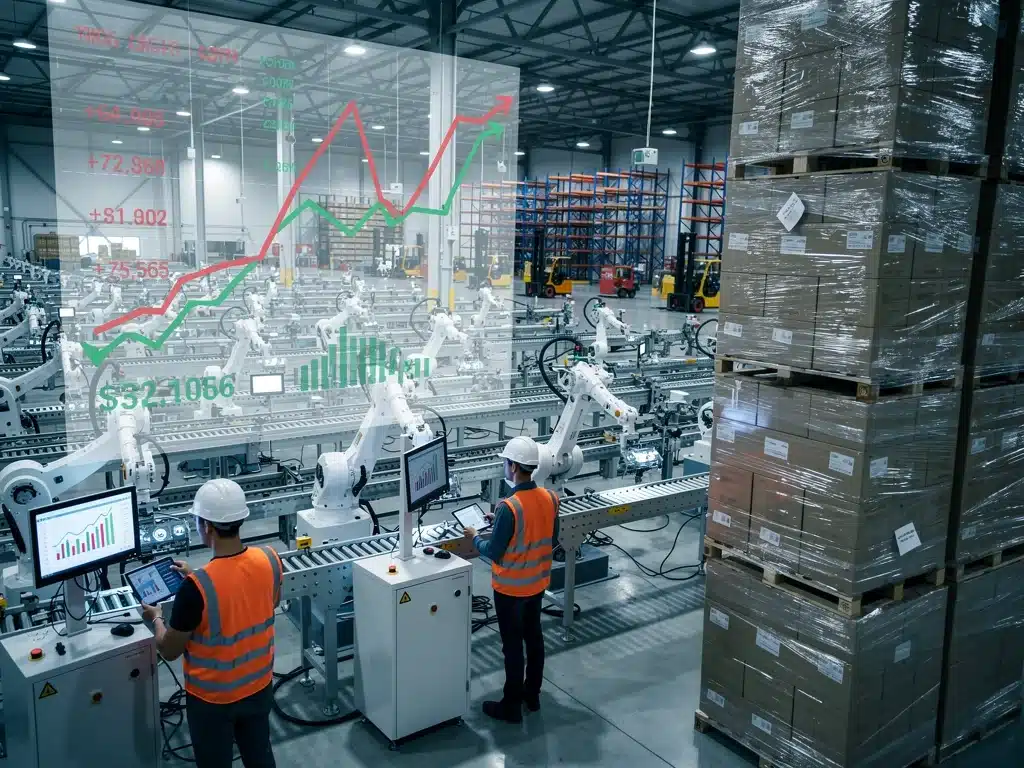
Automation, from robotic process automation in warehouses to autonomous vehicles in logistics, is also playing a significant role in addressing labor shortages and increasing operational speed.
While initial investments can be substantial, the long-term benefits in terms of efficiency, cost reduction, and resilience are proving to be compelling. Technology is transforming every aspect of the supply chain.
Long-Term Economic Outlook and Policy Implications
The persistent nature of global supply chain disruptions and their forecasted impact on U.S. consumer prices by 2026 have profound long-term economic and policy implications.
Policymakers face the challenge of balancing immediate inflationary pressures with the need to foster sustainable economic growth. This requires a nuanced approach that considers both domestic and international factors.
Central banks may continue to grapple with monetary policy decisions, attempting to tame inflation without stifling economic activity.
Fiscal policies could focus on targeted investments in infrastructure and education to support a more resilient domestic economy. The goal is to create an environment where supply chains are less susceptible to external shocks and can better support price stability.
Internationally, there’s a growing push for greater collaboration and standardization in trade practices to reduce friction and improve the flow of goods.
Diplomatic efforts aimed at resolving geopolitical tensions and fostering open trade relationships are crucial for strengthening global supply networks. A coordinated global response is essential for addressing these systemic challenges effectively.
Consumer Adaptation and Future Preparedness
As the economic landscape shifts, consumers will increasingly need to adapt their purchasing habits and financial planning strategies.
Understanding the drivers of inflation and anticipating future price movements can help households make more informed decisions. This includes budgeting for higher costs and exploring alternatives where possible.
Developing personal financial resilience, such as building emergency savings and managing debt, becomes even more critical in an environment of persistent inflation.
Consumers may also become more discerning in their purchases, prioritizing essential goods and seeking value, which could drive shifts in market demand and business strategies. Informed choices are vital for navigating these changes.
From a broader societal perspective, there is a growing awareness of the interconnectedness of global events and local economic realities.
This understanding can foster a greater appreciation for resilient local economies and responsible consumption. Preparing for future disruptions involves both individual actions and collective efforts to build more robust systems.
| Key Point | Brief Description |
|---|---|
| 2026 Price Impact | U.S. consumer prices projected to increase by 3% due to supply chain issues. |
| Core Drivers | Logistical bottlenecks, raw material scarcity, and geopolitical tensions. |
| Mitigation Efforts | Government investments, corporate diversification, and technological adoption. |
| Consumer Adaptations | Budget adjustments, financial resilience, and informed purchasing decisions. |
Frequently Asked Questions About Supply Chain Disruptions
The primary causes are a confluence of factors including the lingering effects of the COVID-19 pandemic, geopolitical conflicts, labor shortages in logistics sectors, and increased demand for goods. These elements collectively strain the intricate global network, leading to bottlenecks and delays across various industries worldwide.
The disruptions are projected to contribute to a 3% increase in U.S. consumer prices by 2026, primarily through elevated shipping costs, higher raw material prices, and increased manufacturing expenses. These added costs are inevitably passed on to consumers, affecting everything from groceries to electronics and durable goods, reducing overall purchasing power.
Governments are implementing various measures, including investing in port infrastructure, promoting domestic manufacturing through incentives, and engaging in diplomatic efforts to stabilize trade routes and reduce tariffs. The aim is to enhance the resilience of national supply chains and reduce vulnerability to external shocks, fostering greater economic stability.
Businesses are adapting by diversifying their supplier bases across different regions, adopting ‘just-in-case’ inventory strategies rather than ‘just-in-time,’ and investing in technology such as AI and automation for better supply chain visibility and efficiency. These changes aim to build more robust and flexible operational models, minimizing future interruptions.
Consumers can prepare by focusing on financial resilience, such as building emergency savings and managing debt effectively. Adjusting household budgets to account for potential price hikes, exploring alternative product brands, and making informed purchasing decisions based on anticipated market trends can also help mitigate the impact of rising costs.
Looking Ahead
The projected 3% impact on U.S. consumer prices by 2026 due to Global Supply Chain Disruptions signals a period of sustained economic adjustment. This outlook underscores the critical need for ongoing vigilance and adaptive strategies from both public and private sectors.
Monitoring key indicators like shipping rates, commodity prices, and geopolitical developments will be crucial.
The ability to navigate these complex challenges will define economic stability and consumer welfare in the coming years, necessitating proactive engagement from all stakeholders to build more resilient and responsive global trade systems.