Remote Work Career Strategy: How to Build a Future-Proof Path in the Decentralized Era

The era of the corner office has faded, replaced by a digital landscape where location is secondary to impact. Mastering a Remote Work Career Strategy is no longer a luxury but a necessity for anyone aiming to thrive in this decentralized professional era.
Success in this borderless market requires more than just a stable internet connection; it demands a total pivot in how you project your professional identity.
Cultivating digital presence and mastering asynchronous communication are now the primary levers for upward mobility and global visibility.
By aligning your personal development with distributed team dynamics, you can unlock unprecedented flexibility and job security. Let’s explore how to future-proof your trajectory and turn the autonomy of “working from anywhere” into your greatest competitive advantage.
Understanding the Remote Work Paradigm Shift
The transition to remote work is more than a temporary trend; it represents a fundamental restructuring of economic and professional life.
Businesses are increasingly recognizing the benefits of a distributed workforce, from reduced overheads to access to a broader talent pool. This paradigm shift directly impacts individual career planning.
This evolving work model places new emphasis on self-discipline, digital proficiency, and effective communication in virtual environments.
Professionals must cultivate these attributes to meet employer expectations and maintain productivity. The onus is now on individuals to demonstrate their capability to excel autonomously.
Furthermore, the geographic boundaries that once limited career opportunities are dissolving, opening up global markets for talent. This expanded playing field offers immense potential but also intensifies competition, requiring a more refined and adaptable career strategy.
Key Trends Shaping the Future of Remote Employment
Several critical trends are converging to define the future of remote employment, demanding attention from every professional.
Automation and artificial intelligence continue to reshape job roles, while the gig economy offers increased flexibility but also demands entrepreneurial thinking. Staying abreast of these developments is essential for a robust Remote Work Career Strategy.
The demand for specialized digital skills, particularly in areas like cybersecurity, data analytics, and cloud computing, is accelerating.
Companies are investing heavily in these domains, creating lucrative opportunities for those with the right expertise. Continuous skill development is no longer optional; it is a prerequisite for long-term success.
Additionally, the focus on employee well-being and flexible work arrangements is gaining prominence, influencing company culture and talent retention strategies.
Professionals should seek out organizations that prioritize these aspects, aligning their career goals with supportive work environments.
The Rise of Hybrid Work Models
Hybrid models, combining remote and in-office work, are becoming a prevalent solution for many organizations.
This approach seeks to balance the benefits of remote flexibility with the advantages of in-person collaboration. Understanding how to navigate these blended environments is key.
Success in a hybrid setting requires mastering both virtual and in-person communication dynamics, as well as managing time across different work locations.
Adaptability and strong organizational skills are paramount for professionals operating within these flexible frameworks.
Increased Demand for Digital Literacy and Automation Skills
The accelerating pace of technological advancement means digital literacy is no longer a niche skill but a universal requirement. Proficiency in collaboration tools, project management software, and data analysis platforms is now expected.
Furthermore, an understanding of automation tools and AI applications is becoming increasingly valuable.
As routine tasks become automated, human roles will increasingly focus on critical thinking, problem-solving, and creativity. Professionals who can leverage technology to enhance their productivity and innovate within their roles will be highly sought after.
Investing in learning these skills is a strategic move for a resilient Remote Work Career Strategy.
Adapting Your Skillset for Remote Work Success
To truly excel in the Remote Work Career Strategy, a deliberate focus on skill adaptation is indispensable.
This involves not only acquiring new technical competencies but also refining crucial soft skills that are amplified in a distributed environment. Proactive skill development ensures continued relevance.
Employers are increasingly valuing attributes such as self-motivation, time management, and proactive communication, which are critical for effective remote performance.
Cultivating these personal disciplines will directly impact professional growth and opportunities. Investing in learning these skills is a strategic move for a resilient Remote Work Career Strategy.
Furthermore, the ability to learn and adapt quickly to new technologies and methodologies is a defining characteristic of successful remote professionals.
Continuous learning pathways, whether through online courses, certifications, or self-directed study, are vital for maintaining a competitive edge.
Essential Technical Skills for Remote Roles
- Cloud Computing Proficiency: Understanding cloud platforms (e.g., AWS, Azure, Google Cloud) is crucial as more companies migrate their infrastructure and applications.
- Data Analytics: The ability to interpret data, generate insights, and make data-driven decisions is highly valued in almost every sector.
- Cybersecurity Awareness: With increased remote access, a strong understanding of cybersecurity best practices is essential to protect sensitive information.
- Collaboration Software Mastery: Expertise in tools like Slack, Microsoft Teams, Zoom, and project management platforms (e.g., Asana, Trello) ensures seamless team interaction.
Crucial Soft Skills for Remote Environments
- Self-Discipline and Time Management: The ability to structure one’s day, set priorities, and meet deadlines without direct supervision is paramount.
- Proactive Communication: Clear, concise, and regular communication, often in written form, is vital to keep team members and managers informed and aligned.
- Adaptability and Resilience: The capacity to adjust to changing circumstances, embrace new tools, and overcome challenges independently is highly prized.
- Emotional Intelligence: Understanding and managing one’s own emotions, and empathizing with others virtually, contributes to effective teamwork and conflict resolution.
Strategic Networking in a Distributed World
Networking remains a cornerstone of career advancement, even as the professional landscape shifts towards remote models. However, the strategies for building and maintaining connections have evolved significantly.
Successfully navigating the Remote Work Career Strategy requires a proactive and deliberate approach to virtual networking.
Leveraging online platforms like LinkedIn, attending virtual conferences, and participating in industry-specific online communities are now primary methods for expanding one’s professional circle.
These digital avenues offer unparalleled reach and opportunities for engagement. A well-cultivated online presence can open doors to new collaborations and opportunities.
Beyond mere connection, the focus should be on building genuine relationships, offering value, and engaging meaningfully with peers and mentors. Strategic networking in a remote world is about quality over quantity, fostering connections that can lead to mutual growth and support.
Leveraging Online Platforms for Professional Growth
Online platforms are not just for job searching; they are powerful tools for continuous professional development and visibility.
Actively engaging in discussions, sharing insights, and creating content can establish one’s expertise. This proactive approach significantly enhances your Remote Work Career Strategy.
Participating in webinars, online workshops, and virtual industry events provides direct access to thought leaders and potential collaborators.
These interactions can lead to mentorship opportunities, project partnerships, and even new employment prospects, all from a remote setting.
Building a Resilient Remote Work Career Strategy
Crafting a resilient Remote Work Career Strategy involves foresight, continuous evaluation, and a willingness to pivot when necessary.
It’s about more than just finding a remote job; it’s about building a sustainable and fulfilling career path that withstands evolving market dynamics. This requires a personalized and adaptive approach.
Regularly assessing your skills against current market demands and identifying potential gaps is a crucial step. This self-assessment informs targeted efforts for skill acquisition and development, ensuring your competencies remain relevant and competitive.
Proactive planning helps mitigate career stagnation.
Furthermore, diversifying your income streams or developing a portfolio of skills that can be applied across different industries can add a layer of security. The goal is to create a career structure that offers both stability and flexibility in an unpredictable world.
The Importance of Personal Branding in Remote Work
In a remote-first world, your personal brand becomes even more critical as it often precedes you in digital interactions. A strong personal brand clearly communicates your expertise, values, and professional identity. This is a vital component of any effective Remote Work Career Strategy.
This involves curating your online presence, from your LinkedIn profile to professional portfolios and personal websites.
Consistently showcasing your skills, achievements, and unique value proposition helps you stand out in a crowded market. Authenticity and clarity are key to building a compelling personal brand.
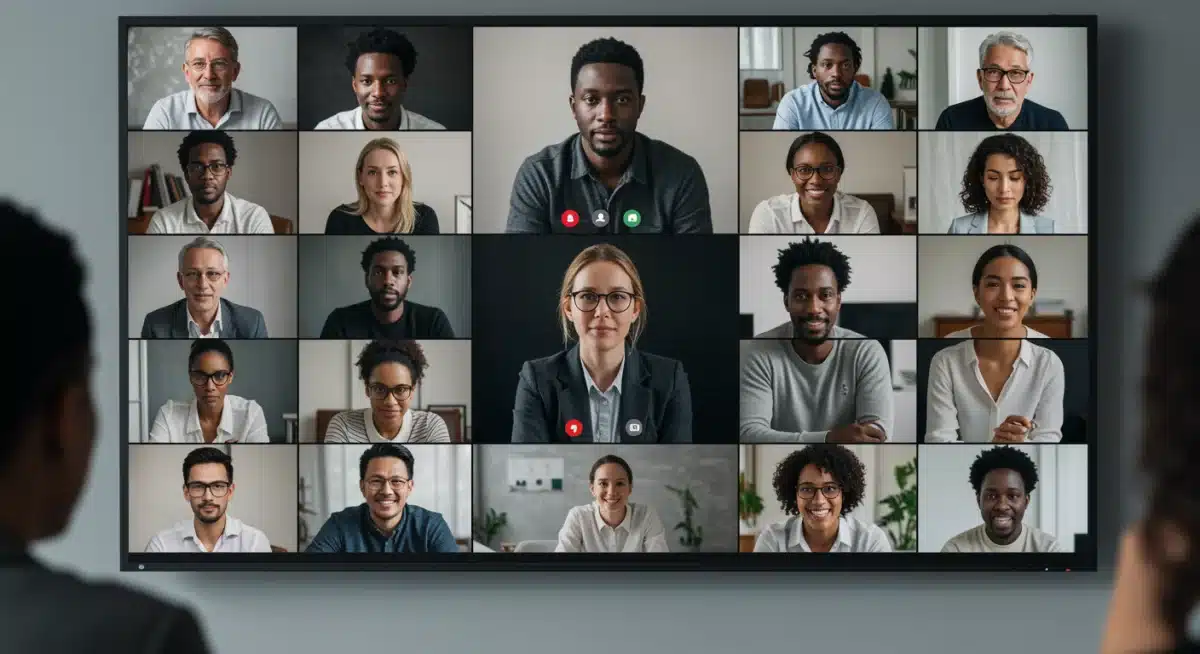
Navigating the Global Remote Job Market
The Remote Work Career Strategy has effectively globalized the job market, presenting both immense opportunities and new complexities.
Professionals in the United States can now access roles offered by companies worldwide, but this also means competing with a global talent pool. Understanding this dynamic is crucial.
Researching international labor laws, understanding cultural nuances in communication, and being aware of different time zones are practical considerations for those seeking global remote roles.
Companies hiring internationally often look for candidates who demonstrate an understanding of these cross-cultural dynamics. This global perspective is an integral part of a comprehensive Remote Work Career Strategy.
Furthermore, specialized platforms and recruiters focused on international remote placements can be valuable resources.
Tailoring your resume and cover letter to highlight experience with diverse teams or international projects can significantly enhance your appeal to global employers.
Future-Proofing Your Career: Beyond 2026
While the focus is on the immediate future, a truly effective Remote Work Career Strategy looks beyond 2026. This involves cultivating a mindset of continuous learning, embracing emerging technologies, and anticipating future disruptions. Long-term career resilience is built on proactive foresight.
Staying informed about advancements in AI, virtual reality, and other transformative technologies will be crucial.
These innovations will continue to shape how work is done, and those who can integrate them into their professional practice will maintain a significant advantage. Adaptability is the ultimate future-proofing skill.
Moreover, developing a strong network of mentors and peers who can offer guidance and insights into future trends is invaluable. Engaging in lifelong learning and being open to entirely new career paths will ensure enduring success in an ever-evolving professional landscape.
The Role of Education and Continuous Learning
In the context of the Remote Work Career Strategy, formal and informal education plays an increasingly vital role.
The shelf-life of specific skills is shortening, making continuous learning a non-negotiable aspect of career development. Investing in education is investing in your future.
Online courses, certifications, and micro-credentialing programs offer flexible and accessible ways to acquire new skills or deepen existing ones.
Many reputable institutions and platforms provide specialized training directly applicable to remote roles and emerging industries. These resources are critical for maintaining a competitive edge.
Beyond structured learning, cultivating intellectual curiosity and a habit of self-directed learning are powerful assets.
Reading industry publications, following thought leaders, and experimenting with new tools can significantly contribute to professional growth and adaptability, fostering a robust Remote Work Career Strategy.
| Key Aspect | Strategic Focus |
|---|---|
| Skill Adaptation | Prioritize digital literacy, data analytics, and advanced collaboration tools. |
| Networking Evolution | Actively engage in virtual communities and online professional platforms. |
| Career Resilience | Develop a strong personal brand and diversify skill sets for adaptability. |
| Continuous Learning | Embrace lifelong education, certifications, and self-directed knowledge acquisition. |
Frequently Asked Questions About Remote Work Career Strategy
This revolution is characterized by the widespread adoption of remote and hybrid work models, driven by technological advancements and shifting employee expectations. It necessitates a proactive approach to skill development, career planning, and professional networking to ensure long-term relevance and success in a distributed workforce.
Key skills include digital literacy, proficiency in collaboration tools, data analysis, and cybersecurity awareness. Soft skills such as self-discipline, proactive communication, adaptability, and emotional intelligence are equally vital for effective remote performance and career growth.
Leverage online platforms like LinkedIn, attend virtual conferences, and engage in industry-specific online communities. Focus on building genuine relationships, offering value, and maintaining a strong professional online presence. Quality connections are more important than quantity for a robust Remote Work Career Strategy.
Continuous learning is paramount. The rapid evolution of technology and work models means that skills quickly become outdated. Engaging in online courses, certifications, and self-directed study ensures you acquire new competencies and stay competitive, directly supporting your Remote Work Career Strategy.
Future-proofing involves cultivating a mindset of lifelong learning, anticipating technological disruptions, and understanding global market trends. Diversifying your skill set, building a strong personal brand, and maintaining a robust professional network are crucial for sustained success and adaptability.
What this means
The Remote Work Career Strategy is not a fleeting moment but a sustained evolution demanding strategic engagement from every professional.
The insights and strategies outlined herein underscore the critical need for continuous adaptation, skill development, and proactive career management.
Professionals who embrace these changes, invest in their digital and soft skills, and strategically network will be best positioned to thrive. The future of work is here, and it calls for deliberate action to secure long-term success.