Medicare Part D in 2026: How the $2,100 Out-of-Pocket Cap and Drug Price Negotiations Reduce Patient Spending
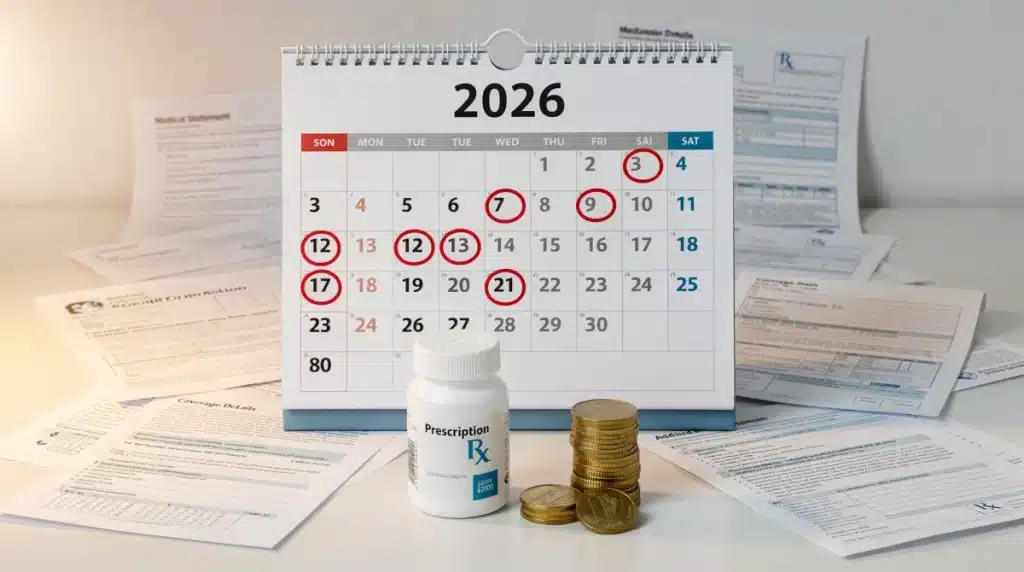
Tired of worrying about sky-high pharmacy bills eating into your retirement budget? Major Medicare Part D reforms in 2026 are reshaping prescription drug coverage by capping annual out-of-pocket costs and lowering medication prices.
For millions of older adults and caregivers, federal price negotiations and stricter spending limits mean predictable pharmacy expenses for the first time. These Inflation Reduction Act protections eliminate the dreaded coverage gap and shield beneficiaries from catastrophic medication bills.
Discover how the annual out-of-pocket limit and newly negotiated drug rates directly lower your healthcare spending. Learn which medications qualify and what steps to take during enrollment to maximize your savings.
Decoding the $2,100 Out-of-Pocket Cap
Following the debut of Medicare Part D‘s $2,000 out-of-pocket spending cap in 2025, the inflation-adjusted $2,100 limit in 2026 represents a landmark protection for beneficiaries.
This cap means that once an individual reaches this threshold, they will no longer have to pay for covered prescription drugs for the remainder of the year.
This significant reform is expected to provide substantial financial relief, particularly for those with chronic conditions requiring expensive medications. Historically, there was no annual limit on out-of-pocket spending in Part D, leaving many vulnerable to catastrophic drug costs.
The cap aims to mitigate the risk of high medical debt and ensure that beneficiaries can afford their necessary prescriptions without undue financial strain. This change is a direct response to public demand for greater affordability in healthcare.
Impact on Beneficiaries with High Drug Costs
For individuals facing thousands of dollars in annual drug expenses, the $2,100 cap provides immediate and tangible relief. This includes beneficiaries with conditions like cancer, multiple sclerosis, or complex autoimmune diseases.
The cap effectively transforms the financial predictability of drug costs, allowing patients to budget more effectively and reducing the anxiety associated with unexpected high bills. It also removes the disincentive to adhere to prescribed treatments due to cost concerns.
This measure is designed to improve health outcomes by ensuring continuous access to vital medications. The ability to plan for a fixed maximum expense will be a game-changer for many.
- Eliminates catastrophic phase costs for beneficiaries.
- Provides financial predictability for drug spending.
- Encourages adherence to prescribed medication regimens.
The Role of Drug Price Negotiations in Medicare Part D 2026
Beyond the out-of-pocket cap, the ability of Medicare to negotiate drug prices marks another pivotal shift in Medicare Part D in 2026.
This authority, granted by recent legislation, allows the Centers for Medicare & Medicaid Services (CMS) to directly negotiate prices for certain high-cost prescription drugs.
These negotiations are anticipated to drive down the cost of selected medications, leading to lower premiums and reduced cost-sharing for beneficiaries. The process began with an initial list of ten drugs, with more expected to be added in subsequent years.
The goal is to leverage Medicare’s considerable purchasing power to achieve more favorable prices, similar to practices in other developed nations. This move challenges the long-standing pharmaceutical industry practice of setting drug prices without government intervention.
How Negotiations Will Affect Drug Availability and Innovation
Concerns have been raised by pharmaceutical companies regarding the potential impact of price negotiations on drug innovation. However, proponents argue that the current system often leads to exorbitant prices that are unsustainable for patients and the healthcare system.
CMS has outlined a negotiation process that considers factors such as research and development costs, production costs, and the drug’s therapeutic value. This aims to strike a balance between affordability and fostering innovation.
The initial focus is on older drugs that have been on the market for several years without generic or biosimilar competition, minimizing the immediate impact on new drug development. The long-term effects on pharmaceutical research remain a subject of ongoing debate and observation.
Phased Implementation Leading to 2026
The changes impacting Medicare Part D in 2026 are not occurring in a vacuum; they are part of a multi-year phased implementation plan. This gradual approach allows for adjustments and ensures a smoother transition for all stakeholders.
Key components, such as capping insulin costs and eliminating vaccine co-pays, have already taken effect in previous years. These earlier steps laid the groundwork for the more extensive reforms in effect for 2026.
The phased rollout allows beneficiaries to gradually adapt to the new structure and for pharmaceutical companies and insurers to adjust their operations. This structured approach aims to minimize disruption while maximizing the benefits of the reforms.
Key Milestones and Upcoming Changes
The $2,100 cap in 2026 builds on several multi-year milestones that preceded it—including the elimination of the 5% catastrophic coinsurance in 2024 and the initial $2,000 cap rollout in 2025.
The number of drugs subject to price negotiation will also steadily increase each year, broadening the scope of the program’s impact. Beneficiaries should monitor official communications from Medicare and their Part D plans for specific updates.
Understanding this timeline is essential for planning and making informed decisions about prescription drug coverage. Each phase builds upon the last, culminating in the significant changes of 2026.
- 2023: $35 monthly cap on covered insulin products and $0 adult vaccines.
- 2024: Elimination of the 5% coinsurance in the catastrophic coverage phase.
- 2025: Launch of the initial $2,000 annual out-of-pocket cap and the Medicare Prescription Payment Plan.
- 2026: Inflation adjustment of the cap to $2,100 and rollout of the first 10 Medicare-negotiated drug prices
Beneficiary Savings and Financial Relief
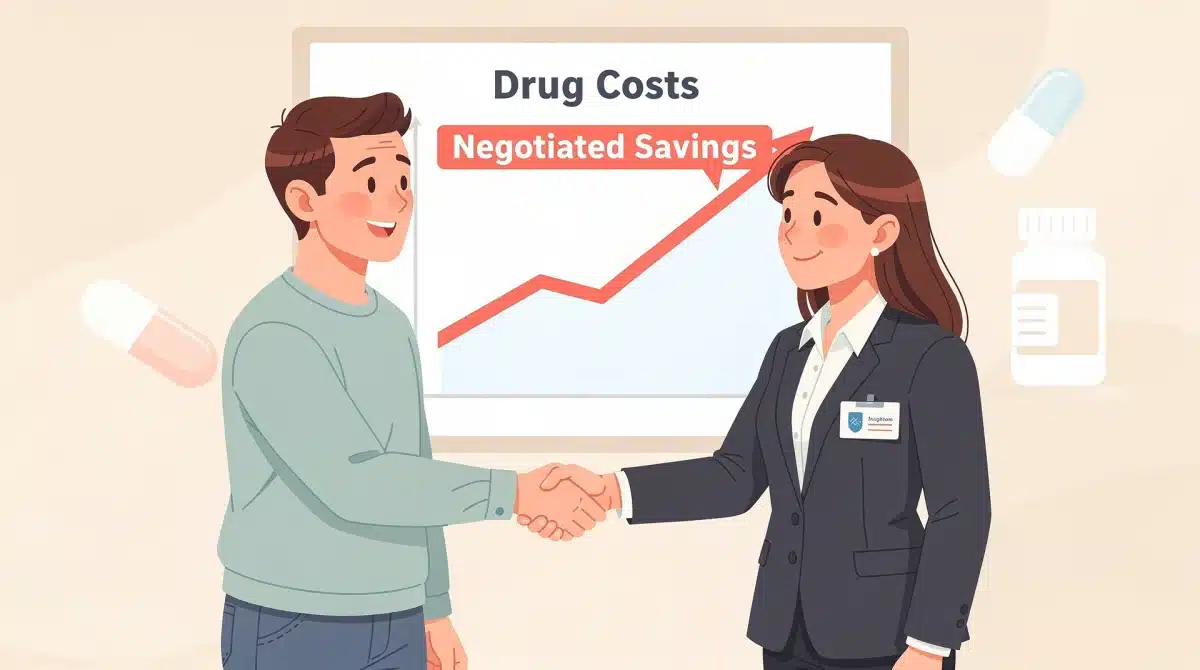
The primary objective of these reforms under Medicare Part D in 2026 is to provide tangible financial relief to Medicare beneficiaries. The combination of the out-of-pocket cap and negotiated drug prices is expected to generate substantial savings.
Individuals who previously incurred thousands of dollars in annual drug costs will see their financial exposure significantly limited. This can free up household income for other essential needs or savings.
Beyond direct savings, the reforms also aim to reduce the overall stress and burden associated with managing chronic conditions. Financial stability in healthcare is a critical component of overall well-being.
Who Benefits Most from the New Policies
While all Medicare Part D beneficiaries stand to benefit, those with high prescription drug needs will experience the most significant impact. This includes individuals managing multiple chronic diseases or those requiring specialty medications.
Additionally, beneficiaries with limited incomes who often struggle to afford necessary drugs will find these changes particularly beneficial. The reforms aim to reduce health disparities and ensure equitable access to care.
The policies are designed to create a more equitable system where access to life-saving medications is not solely dictated by one’s financial capacity. This represents a substantial step towards a more just healthcare landscape.
Potential Challenges and Ongoing Monitoring
While the reforms offer significant promise, implementing Medicare Part D in 2026 is not without potential challenges. Stakeholders, including pharmaceutical companies and insurance providers, are adapting to the new regulatory environment.
There may be shifts in plan offerings or formulary structures as insurers adjust to the new cost-sharing rules and negotiation outcomes. Beneficiaries will need to remain vigilant and review their plan options carefully during open enrollment periods.
Continuous monitoring by regulatory bodies and independent researchers will be crucial to assess the actual impact of these changes on drug prices, patient access, and pharmaceutical innovation. The long-term effects will unfold over several years.
Navigating Changes in Medicare Part D Plans
Beneficiaries should proactively review their Medicare Part D plans and resources during annual enrollment. Understanding how the $2,100 cap (and future inflation adjustments) alongside negotiated prices affect your chosen plan is vital.
It is advisable to consult with Medicare counselors or trusted advisors to review plan options and ensure coverage aligns with individual needs. Information will become increasingly available from official Medicare channels.
Staying informed about any adjustments to formularies, premiums, or deductibles will empower beneficiaries to make the best decisions for their healthcare. The landscape is evolving, and proactive engagement is key.
Broader Implications for the Healthcare System
The reforms to Medicare Part D in 2026 extend beyond individual beneficiaries, carrying broader implications for the entire healthcare system. These changes could influence pharmaceutical pricing strategies across the board.
The introduction of price negotiations sets a precedent that could potentially impact private insurance markets in the future. It signals a governmental commitment to addressing high drug costs more aggressively.
Furthermore, by improving medication adherence through reduced costs, these reforms could lead to fewer hospitalizations and emergency room visits, ultimately lowering overall healthcare expenditures. This creates a ripple effect throughout the system.
Future of Drug Innovation and Access
The debate surrounding drug innovation versus affordability will continue as these policies take hold. While some argue that price controls stifle research, others contend that current pricing models are unsustainable.
The long-term success of these reforms will depend on their ability to balance these competing interests effectively. The aim is to ensure continued access to groundbreaking treatments while making them affordable for the population.
Ongoing dialogue between policymakers, industry, and patient advocacy groups will be essential to navigate these complex issues. The reforms represent a dynamic shift in how drug costs are managed in the United States.
| Key Point | Brief Description |
|---|---|
| $2,100 Out-of-Pocket Cap | Limits annual prescription drug spending for beneficiaries starting in 2026. |
| Drug Price Negotiations | Medicare can directly negotiate prices for high-cost drugs, reducing overall costs. |
| Phased Implementation | Reforms are introduced gradually, with some changes already in effect before 2026. |
| Beneficiary Savings | Significant financial relief expected, particularly for those with high drug costs. |
Frequently Asked Questions About Medicare Part D in 2026
Starting in 2026, Medicare Part D beneficiaries will not pay more than $2,000 out-of-pocket annually for covered prescription drugs. Once this limit is reached, beneficiaries will have no further out-of-pocket costs for the remainder of the year, providing significant financial protection against high drug expenses.
Medicare will begin negotiating prices for certain high-cost prescription drugs, leading to potentially lower drug costs for beneficiaries. These negotiated prices are expected to reduce premiums and out-of-pocket spending, making essential medications more affordable for millions of Americans enrolled in Part D plans.
The $2,000 out-of-pocket cap and expanded drug price negotiations officially take full effect in 2026. However, some related reforms, like the $35 insulin cap and elimination of catastrophic phase coinsurance, have been phased in during 2023 and 2024, preparing for the broader changes in 2026.
Beneficiaries with high prescription drug costs, particularly those managing chronic conditions or requiring expensive specialty medications, will benefit significantly. The reforms aim to alleviate financial burdens and ensure greater access to necessary treatments for those most vulnerable to high out-of-pocket expenses.
Beneficiaries should stay informed by reviewing official Medicare communications and their specific Part D plan details. During open enrollment periods, it’s crucial to compare plans to understand how the new cap and negotiated prices will affect their coverage, premiums, and out-of-pocket costs for 2026.
Looking Ahead
The reforms to Medicare Part D in 2026 represent a pivotal moment in U.S. healthcare policy. While designed to alleviate financial strain, their long-term effects on drug development and market dynamics will be closely scrutinized.
Beneficiaries must remain proactive in understanding these changes, monitoring official updates, and assessing their coverage options to maximize the benefits and navigate any emerging complexities.