Mastering Digital Interview: 7 Tips for Virtual Job Search Success by 2026
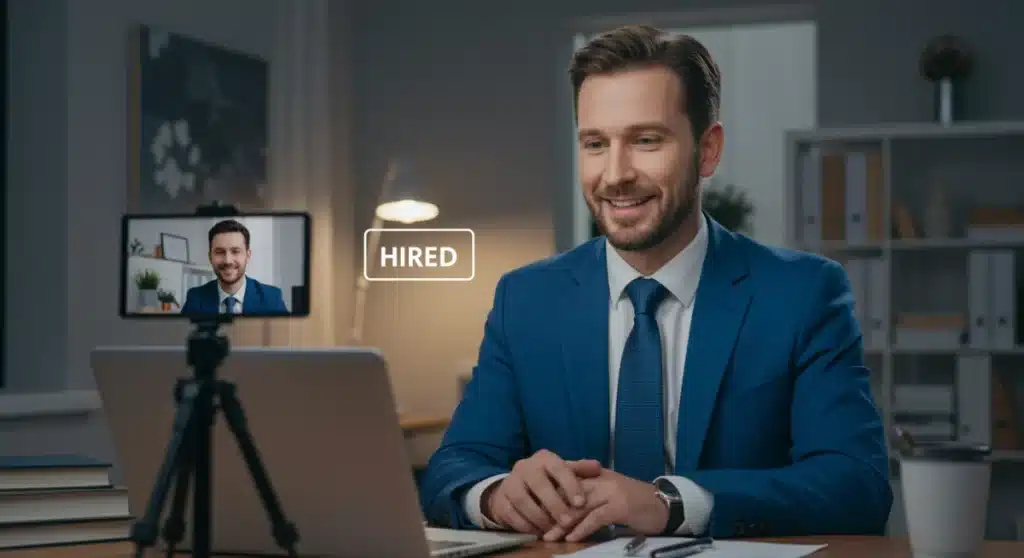
By 2026, the digital interview is no longer just a trend, it’s the primary gateway to your next big career move. To land the role, you must move beyond basic connectivity and master the art of virtual presence.
Success in these remote assessments requires a blend of technical fluency and authentic connection. Navigating high-tech screening tools and AI-driven platforms is now a fundamental skill for any serious candidate.
This guide reveals seven essential strategies to help you dominate the online hiring landscape. Prepare to transform your webcam into a powerful tool for professional storytelling and secure your future.
Optimizing Your Virtual Presence for Impact
Your virtual presence extends beyond your spoken words; it encompasses your appearance, background, and overall demeanor.
A polished and professional visual presentation is paramount, creating a positive first impression that resonates with interviewers. Attention to these details can significantly elevate your candidacy.
Ensure your chosen interview space is clean, well-lit, and free from distractions, conveying professionalism and focus.
A neutral background is often best, allowing the interviewer to concentrate solely on you. These elements contribute to a perception of competence and attention to detail.
By meticulously curating your virtual environment, you demonstrate respect for the interviewer’s time and the opportunity itself. This proactive approach sets a strong foundation for a successful interaction. Mastering the Digital Interview requires this foundational visual strategy.
Crafting a Professional Background
The visual backdrop of your digital interview subtly communicates professionalism and organization.
A cluttered or distracting background can detract from your message, creating an unfavorable impression. Conversely, a thoughtfully arranged space enhances your credibility.
Consider using a plain wall, a bookshelf, or a professional virtual background if appropriate for the company culture. Consistency in your setup across multiple interviews reinforces a professional image. This preparation is a key aspect of mastering the Digital Interview process.
- Choose a clean, uncluttered background that is free of personal items.
- Ensure adequate lighting, preferably natural light, to illuminate your face.
- Test your background with your webcam before the actual interview to catch any issues.
Dressing for Digital Success
While the interview is virtual, your attire should reflect the same professionalism as an in-person meeting. Dressing appropriately signals seriousness and respect for the role and the company. Your clothing choice should align with the industry and company culture.
Opt for business professional or business casual attire, ensuring it is clean, wrinkle-free, and fits well. Pay attention to colors that contrast well with your background to ensure you stand out. This attention to detail is vital for mastering the Digital Interview.
- Select professional attire that would be suitable for an in-person interview.
- Avoid overly busy patterns or distracting accessories that could draw attention away.
- Ensure your outfit is comfortable and allows for natural movement during the interview.

Mastering Technical Readiness and Setup
Technical glitches can derail even the most prepared candidate, creating unnecessary stress and potentially impacting perception. Proactive technical checks are non-negotiable for a seamless digital interview experience. This foresight demonstrates your reliability and preparedness.
Verify your internet connection, test your webcam and microphone, and ensure all necessary software is updated.
A robust technical setup allows you to focus entirely on the conversation, rather than troubleshooting. This meticulous preparation is integral to Mastering the Digital Interview.
Having a backup plan, such as a phone number for immediate contact or an alternative device, can mitigate unforeseen issues. This level of readiness showcases your resourcefulness. Preparing for potential technical challenges is a hallmark of success in virtual interviews.
A split screen showing a job candidate on one side, maintaining excellent eye contact and a professional demeanor, and an interviewer on the other, looking engaged.
The candidate’s screen shows a well-lit face, clear audio indicators, and a clean virtual background, emphasizing strong virtual communication.
Ensuring Reliable Internet Connection
A stable internet connection is the backbone of any successful digital interview. Poor connectivity can lead to dropped calls, delayed audio, and pixelated video, creating a frustrating experience for both parties. Prioritize a wired connection if possible, for maximum reliability.
If a wired connection isn’t feasible, ensure your Wi-Fi signal is strong and that other devices are not consuming excessive bandwidth.
Inform family members or housemates of your interview to minimize network usage during that time. This proactive measure is essential for mastering the Digital Interview.
Conduct a speed test before your interview to confirm your connection meets the requirements for video conferencing. If your connection is typically unstable, consider alternative locations or a mobile hotspot as a backup. Uninterrupted communication is key to making a strong impression.
Testing Audio and Video Equipment
Your microphone and webcam are your primary tools for communication in a digital interview. Clear audio and video are critical for conveying your message effectively and for building rapport with the interviewer. Blurry video or distorted audio can hinder understanding and engagement.
Test your equipment well in advance of the interview, using the same platform the interviewer will use.
Check your microphone levels to avoid sounding too quiet or too loud, and ensure your webcam provides a clear, well-framed image. These technical checks are fundamental to Mastering the Digital Interview.
Consider using a headset with a built-in microphone for superior audio quality and to minimize background noise. Ensure your camera is positioned at eye level to simulate natural eye contact. A quick dry run with a friend or colleague can help identify and resolve any last-minute issues.
Crafting Compelling Virtual Communication
Effective communication in a digital setting requires intentional effort to compensate for the lack of physical presence.
Non-verbal cues become even more critical, and your ability to convey enthusiasm and clarity through a screen is paramount. This skill set is vital for truly mastering the Digital Interview.
Maintain consistent eye contact with your webcam, not the screen, to create a direct connection with the interviewer. Use expressive facial gestures and body language to project confidence and engagement. These subtle actions significantly enhance your virtual presence.
Speak clearly and concisely, enunciating your words to ensure they are easily understood. Avoid jargon unless absolutely necessary, and be prepared to elaborate on your points. Your ability to communicate effectively in this format will set you apart.
Maintaining Virtual Eye Contact
In a digital interview, maintaining eye contact means looking directly into your webcam, not at the interviewer’s image on your screen.
This creates the illusion of direct engagement, making the interviewer feel acknowledged and connected. It is a subtle yet powerful technique for mastering the Digital Interview.
Practice this technique before your interview to make it feel natural. Position your webcam at eye level to facilitate this and avoid looking down or up. This consistent eye contact projects confidence and sincerity, crucial for building rapport.
While it’s natural to glance at your notes or the interviewer’s reactions, always return your gaze to the webcam. This balance ensures you appear engaged without seeming overly rigid. Effective virtual eye contact is a cornerstone of impactful digital communication.
Engaging Through Active Listening
Active listening is just as important in a digital interview as it is in person, perhaps even more so. Demonstrating that you are fully attentive to the interviewer’s questions and comments builds trust and shows respect. This attentiveness is key to mastering the Digital Interview.
Nod slightly, offer brief verbal affirmations like “I understand” or “That’s a great point,” and avoid interrupting. When responding, reference parts of the interviewer’s question to show you’ve absorbed their message. This creates a dynamic and respectful dialogue.
Take concise notes to help you remember key details and formulate thoughtful follow-up questions. This not only aids your memory but also demonstrates your engagement and analytical skills. Active listening is a powerful tool for making a memorable impression.
Showcasing Your Skills and Experience Digitally
Translating your qualifications and experiences into a compelling digital narrative requires strategic planning.
You must articulate your value proposition clearly and succinctly, using examples that resonate with the virtual format. This targeted approach is essential for mastering the Digital Interview.
Prepare concise, impactful stories using the STAR method (Situation, Task, Action, Result) to illustrate your skills. Tailor these examples to the specific requirements of the role and the company’s values. This structured storytelling makes your achievements tangible.
Highlight your adaptability and proficiency with digital tools, especially if the role involves remote work. Discussing how you’ve successfully collaborated virtually or leveraged technology to achieve results can be highly impactful. Showcasing these relevant skills is paramount.
Leveraging the STAR Method
The STAR method provides a structured framework for answering behavioral interview questions effectively.
It allows you to present your experiences in a clear, concise, and compelling manner, demonstrating your skills and capabilities. This approach is highly effective for mastering the Digital Interview.
For each relevant skill or experience, think of a specific Situation, explain the Task you faced, describe the Action you took, and detail the positive Result. This narrative structure helps interviewers understand the context and impact of your contributions. Practice these stories until they flow naturally.
Prepare several STAR stories that highlight your most relevant skills and achievements, anticipating common interview questions.
This preparation ensures you have well-thought-out examples ready to deploy, showcasing your problem-solving abilities and resilience. The STAR method is a powerful tool for demonstrating your value.
Strategic Questioning and Follow-Up
The questions you ask at the end of an interview are as telling as your answers. They demonstrate your engagement, critical thinking, and genuine interest in the role and company.
Thoughtful questions can leave a lasting positive impression, vital for mastering the Digital Interview.
Prepare a list of insightful questions that go beyond what’s easily found on the company website. Inquire about team dynamics, company culture, growth opportunities, or specific challenges the role might face. This shows you’ve done your research and are thinking strategically.
A prompt and professional follow-up email after the interview reinforces your interest and allows you to reiterate key qualifications. Thank the interviewer for their time and briefly mention something specific discussed during the conversation. This attention to detail can set you apart.
Asking Insightful Questions
Asking well-researched, thought-provoking questions demonstrates your genuine interest and intellectual curiosity. It shows that you’re not just looking for a job, but a specific role within that organization. This strategic questioning is a hallmark of mastering the Digital Interview.
Avoid questions about salary or benefits in the initial interview, unless prompted. Instead, focus on the role’s challenges, team collaboration, or the company’s future direction. These types of questions showcase your foresight and desire for impact.
- Inquire about the team’s biggest upcoming challenge and how this role contributes to overcoming it.
- Ask about the company culture and how it supports professional development.
- Seek clarification on the day-to-day responsibilities and opportunities for growth within the role.
Crafting a Timely Follow-Up
A concise and personalized thank-you email sent within 24 hours of the interview is crucial. It reiterates your appreciation for their time and reinforces your suitability for the position. This proactive step helps solidify your candidacy when mastering the Digital Interview.
Reference specific points from your conversation to make the email memorable and demonstrate your attentiveness. Briefly re-emphasize how your skills align with the role’s requirements. This thoughtful follow-up keeps you top-of-mind for the hiring team.
- Send a personalized thank-you email within 24 hours of the interview.
- Reference a specific point discussed during the interview to show engagement.
- Briefly reiterate your enthusiasm for the role and your key qualifications.
Practicing and Refining Your Digital Interview Skills
Like any skill, excelling in digital interviews requires practice and refinement. Rehearsing your answers and familiarizing yourself with the technology reduces anxiety and boosts confidence. Consistent practice is vital for truly mastering the Digital Interview experience.
Conduct mock interviews with friends, mentors, or career coaches, preferably using the same video conferencing platform. Ask for honest feedback on your verbal and non-verbal communication, as well as your technical setup. This constructive criticism is invaluable for improvement.
Record yourself during practice sessions and review the footage critically. Pay attention to your eye contact, posture, tone of voice, and any distracting habits. Identifying and correcting these issues beforehand ensures a polished performance on the day of the interview.
A person is meticulously checking their internet connection, microphone, and webcam before a digital interview, with a checklist on their screen. The setting is a home office, highlighting preparation and technical readiness for virtual engagements.
Anticipating Future Trends in Digital Interviewing by 2026
The landscape of digital interviewing is continuously evolving, with new technologies and methodologies emerging.
Staying abreast of these trends is crucial for maintaining a competitive edge in your job search. Proactive adaptation is key to mastering the Digital Interview in the years to come.
Expect increased use of AI-powered screening tools, virtual reality (VR) simulations, and asynchronous video interviews. Familiarize yourself with these potential formats and practice engaging with them. This foresight positions you as a forward-thinking candidate.
Companies will likely continue to prioritize candidates who demonstrate strong digital literacy, adaptability, and emotional intelligence in virtual settings. Developing these soft skills will be as important as technical proficiency. Preparing for these future shifts is paramount for success.
AI in Candidate Screening
Artificial intelligence is increasingly being integrated into the initial stages of the hiring process, particularly for candidate screening. AI tools analyze resumes, cover letters, and even initial video submissions for keywords, tone, and facial expressions.
Understanding how these tools operate can help optimize your application for AI review, which is part of mastering the Digital Interview.
Some AI platforms use natural language processing to assess how well your spoken or written responses align with job requirements. Others may analyze non-verbal cues in video submissions. Being aware of these functionalities allows you to present your best self, even to an algorithm.
While AI aims to streamline hiring and reduce bias, it’s crucial to tailor your responses to be clear, concise, and direct, ensuring your qualifications are easily identifiable by these systems.
This strategic approach ensures your application progresses to the human review stage. Mastering the Digital Interview means understanding these evolving technologies.
Virtual Reality and Immersive Interviews
By 2026, virtual reality (VR) and augmented reality (AR) are predicted to play a more significant role in digital interviews, especially for roles requiring specific technical or spatial skills.
These immersive environments can simulate real-world job scenarios, allowing interviewers to assess practical abilities in a controlled setting. Preparing for such environments is a forward-thinking aspect of mastering the Digital Interview.
Candidates might be asked to complete tasks within a VR environment, demonstrating problem-solving skills or technical proficiency.
Familiarizing yourself with basic VR/AR interactions and being open to new technological experiences will be beneficial. This readiness showcases your adaptability and comfort with cutting-edge tools.
While widespread adoption of VR interviews might still be nascent, understanding its potential and practicing interacting in virtual spaces can give you a distinct advantage.
It highlights your willingness to embrace innovation and adapt to future work environments. Mastering the Digital Interview will increasingly involve navigating these immersive experiences.
Developing Your Personal Brand in the Digital Realm
Your personal brand is more critical than ever in a virtual job search. It’s the unique combination of skills, experiences, and personality that you present to the world.
A strong digital brand reinforces your professional image and helps you stand out, which is key to mastering the Digital Interview.
Ensure your online profiles, such as LinkedIn, are up-to-date, professional, and consistent with your resume. Showcase your achievements, endorsements, and recommendations prominently. A cohesive online presence validates your expertise and credibility.
Engage thoughtfully in relevant online communities and professional networks. Share insights, comment on industry trends, and demonstrate your knowledge. This active participation builds your reputation and can open doors to new opportunities. Cultivating a robust digital presence is essential.
| Key Aspect | Strategic Focus |
|---|---|
| Virtual Presence | Optimize background, lighting, and professional attire for a strong visual impact. |
| Technical Readiness | Test internet, audio, and video equipment thoroughly; have a backup plan. |
| Communication Style | Practice eye contact with webcam, active listening, and clear, concise articulation. |
| Question & Follow-up | Prepare insightful questions and send a timely, personalized thank-you email. |
Frequently Asked Questions About Digital Interviews
The most crucial element is a combination of technical readiness and confident virtual communication. Ensuring a stable internet connection, clear audio/video, and practicing direct eye contact with the webcam are non-negotiable for making a strong impression and effectively mastering the Digital Interview.
Your background is very important as it contributes to your overall professional image. A clean, uncluttered, and well-lit background minimizes distractions and helps the interviewer focus on you. It reflects your attention to detail and professionalism when mastering the Digital Interview.
Generally, a real, tidy, and professional background is preferred as it appears more authentic. If a real background isn’t feasible, opt for a professional, neutral virtual background that doesn’t distract. Always test it beforehand to ensure it functions correctly for mastering the Digital Interview.
Show enthusiasm by maintaining good posture, smiling naturally, using expressive facial gestures, and nodding to show active listening. Your tone of voice should be energetic and articulate. These non-verbal cues are vital for conveying engagement and mastering the Digital Interview.
By 2026, expect increased integration of AI for screening, virtual reality (VR) for immersive assessments, and more sophisticated asynchronous video interviews. Familiarizing yourself with these technologies and practicing adaptability will be key to mastering the Digital Interview in the evolving job market.
Looking Ahead: The Evolving Interview Landscape
The insights provided for Mastering the Digital Interview highlight a fundamental shift in recruitment. The emphasis on technical readiness, compelling virtual communication, and strategic self-presentation will only intensify.
Future job seekers must continuously adapt their strategies, embracing emerging technologies like AI and VR, to remain competitive.
The ability to effectively navigate these virtual spaces will directly correlate with career success, making continuous learning and refinement of digital interview skills an ongoing necessity in the professional world.