How the American Rescue Plan’s Remaining Funds Impact 2026 Unemployment Benefits
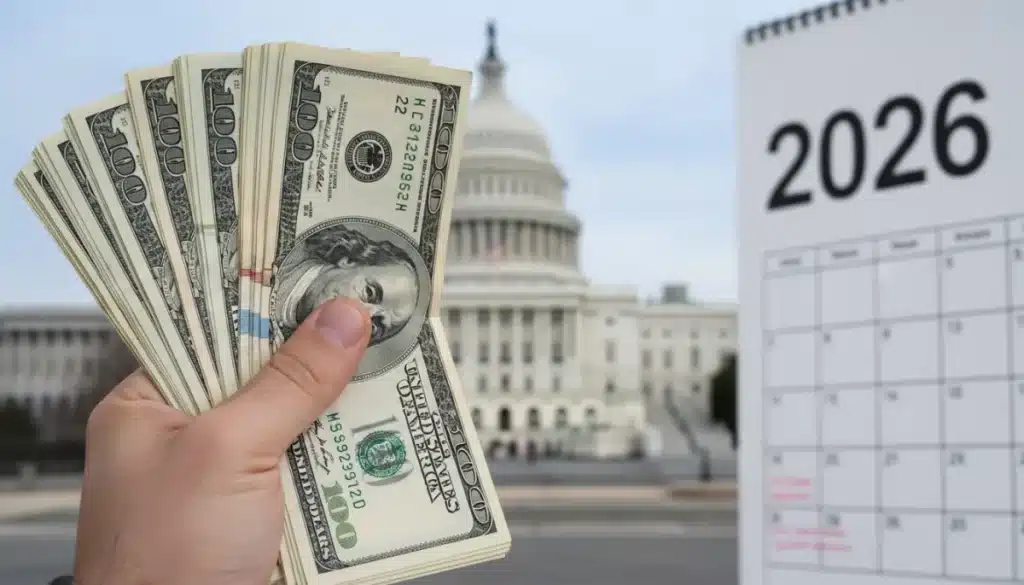
As the clock ticks down on the remaining American Rescue Plan Funds, a critical question arises: how will the final stretch of this historic federal stimulus impact the safety net millions rely on?
With key spending deadlines fast approaching, the distribution of these resources is taking a decisive turn.
The remaining balances of this landmark economic relief package are under intense public scrutiny as they directly shape the current state of financial aid.
For workers navigating the evolving labor market, the winding down of these federal reserves marks a major shift in how states handle their local unemployment reserves.
Understanding the trajectory of these final federal allocations is essential for anyone monitoring the future of economic support.
This update breaks down the latest policy shifts, exploring what has changed, why it matters to you, and what to watch next as the era of pandemic-era aid draws to a close.
Overview of the American Rescue Plan and Its Financial Scope
The American Rescue Plan Act of 2021 was a monumental piece of legislation designed to provide immediate relief and stimulate economic recovery following the COVID-19 pandemic.
It allocated trillions of dollars across various initiatives, including enhanced unemployment benefits, state and local aid, and public health measures.
While many of its provisions had immediate expiration dates, certain funds were designed for longer-term deployment, extending their influence well into the mid-2020s. The challenge now lies in how these remaining resources will be managed and distributed.
The initial intent was to buffer the economic shock, but the residual effects and unspent monies now require careful consideration. Their impact on future programs, especially unemployment, is a key area of focus for legislative bodies and economic analysts.
The Trajectory of Unemployment Benefits: From Pandemic Aid to 2026 Projections
During the peak of the pandemic, federal unemployment benefits were significantly expanded, offering a crucial lifeline to millions of Americans.
Programs like Pandemic Unemployment Assistance (PUA) and Pandemic Emergency Unemployment Compensation (PEUC) provided unprecedented support.
These federal enhancements largely expired in September 2021, shifting the responsibility back to state-level programs, which vary widely in duration and benefit amounts.
The question now revolves around how existing federal reserves, particularly the American Rescue Plan Funds, might indirectly or directly influence state capacities.
As we look towards 2026, the landscape of unemployment benefits is expected to stabilize around pre-pandemic norms, unless new federal interventions are enacted.
However, the availability of unspent ARP funds could offer states flexibility in managing their own unemployment insurance trust funds.
Remaining Funds: Where Are the Unspent American Rescue Plan Funds Now?
A significant portion of the American Rescue Plan Funds was allocated to state and local governments under the State and Local Fiscal Recovery Fund (SLFRF).
While a substantial amount has been spent, reports indicate that billions of dollars still remain unallocated or unobligated across various jurisdictions.
These remaining funds are subject to specific deadlines for obligation and expenditure, typically extending into late 2024 or early 2025.
The challenge for states and localities is to identify eligible projects and programs that align with the broad categories permitted by the ARP Act, including infrastructure, public health, and economic recovery.
The flexibility in spending these funds means they could indirectly bolster unemployment systems.
For instance, states could use SLFRF funds to replenish their unemployment insurance trust funds, thereby preventing future tax increases on businesses or allowing for more generous state-level benefits.
Potential Direct and Indirect Impacts on 2026 Unemployment Benefits
While direct federal unemployment benefit programs from the ARP have concluded, the indirect impact of the remaining American Rescue Plan Funds on 2026 unemployment benefits cannot be overstated.
States have considerable discretion in how they utilize their SLFRF allocations.
Some states might opt to use these funds to stabilize their unemployment insurance systems.
This could involve paying down debts incurred during the pandemic or building reserves to ensure solvency for future economic downturns, which indirectly supports the long-term viability of benefits.
Conversely, if states choose to prioritize other areas like infrastructure or education, the impact on unemployment benefits might be less direct.
However, a stronger state economy, bolstered by ARP investments, could lead to lower unemployment rates, reducing the overall demand for benefits in 2026.

State-Level Discretion and Varying Approaches to Fund Utilization
The decentralized nature of unemployment insurance in the United States means that the impact of American Rescue Plan Funds will vary significantly by state.
Each state government has the autonomy to decide how to best utilize its remaining SLFRF allocation, based on local needs and priorities.
Some states, particularly those that experienced severe strains on their unemployment trust funds, may view replenishing these funds as a high priority.
This strategic use could ensure that future unemployment benefits remain robust and accessible without burdening employers with higher taxes.
Other states might focus their remaining ARP funds on workforce development programs or job training initiatives. These investments, while not directly funding unemployment checks, aim to reduce long-term unemployment and enhance economic stability, thereby lessening the need for benefits in 2026.
Economic Outlook and Its Interplay with Remaining Funds
The broader economic environment leading up to 2026 will significantly influence the relevance and impact of the remaining American Rescue Plan Funds.
A strong economy with low unemployment would naturally reduce the demand for unemployment benefits, making the use of these funds less critical for immediate benefit payments.
Conversely, an economic downturn or recession could elevate the importance of these funds, especially if states have prudently saved or invested them in their unemployment systems.
The strategic deployment of these funds could act as a crucial buffer during future economic shocks.
Analysts are closely watching inflation rates, interest rate policies, and labor market trends. These factors will collectively determine the economic climate in 2026 and, by extension, the pressure on state unemployment systems, highlighting the potential role of remaining ARP funds.
Legislative Scrutiny and Accountability for ARP Spending
The expenditure of American Rescue Plan Funds has been under constant legislative and public scrutiny.
Oversight committees and government accountability offices are monitoring how states and localities are spending these funds, ensuring compliance with federal guidelines and preventing fraud or misuse.
This ongoing oversight is critical, especially as deadlines for obligating and expending the funds approach. Decisions made in the coming year regarding the remaining balances will have long-lasting implications for public finance and social safety nets.
Transparency in reporting and clear justifications for spending choices are paramount.
This ensures that the original intent of the ARP, to foster recovery and provide relief, is honored, and that public funds are utilized effectively for the benefit of citizens, including those who may need unemployment support.
Long-Term Implications for Unemployment Insurance Systems
The experience with the American Rescue Plan Funds and the subsequent challenges to state unemployment insurance systems have highlighted systemic vulnerabilities. The pandemic exposed how quickly state trust funds can be depleted, necessitating federal intervention.
As states consider how to best use their remaining ARP allocations, there is an opportunity to strengthen these systems for the long term.
Investments in modernization, fraud prevention, and building robust reserves could make unemployment insurance more resilient in the face of future economic crises.
The discussions around 2026 unemployment benefits are not just about immediate payouts, but about creating sustainable and equitable systems.
The lessons learned from the ARP era, combined with strategic use of remaining funds, could pave the way for a more secure future for American workers.
| Key Point | Brief Description |
|---|---|
| Remaining ARP Funds | Billions of dollars from the American Rescue Plan remain unspent by states and localities. |
| 2026 Impact | Indirectly affects 2026 unemployment benefits through state UI fund replenishment or economic development. |
| State Discretion | States decide how to allocate remaining funds, influencing local economic conditions and UI system health. |
| Economic Outlook | Future economic conditions will shape the necessity and impact of these funds on unemployment support. |
Frequently Asked Questions About ARP Funds and 2026 Unemployment
While direct federal unemployment programs from the ARP ended, remaining funds can indirectly impact 2026 benefits. States might use these allocations to reinforce their unemployment insurance trust funds, ensuring stability and solvency for future payouts without raising employer taxes.
Most remaining State and Local Fiscal Recovery Funds (SLFRF) must be obligated by late 2024 and fully expended by the end of 2026. This timeline pressures states and localities to finalize their spending plans and deploy the funds effectively.
Yes, states have significant flexibility. Many are investing remaining American Rescue Plan Funds in workforce development, job training, and reemployment services. These initiatives aim to reduce long-term unemployment, thereby indirectly decreasing the demand for benefits in 2026.
Federal agencies, including the Treasury Department and various congressional committees, maintain strict oversight. States are required to submit regular reports detailing their expenditures, ensuring transparency and accountability in how the American Rescue Plan Funds are being utilized.
A robust economy with low unemployment rates would lessen the urgency for states to direct remaining ARP funds towards immediate unemployment needs. Conversely, an economic downturn could prompt states to prioritize bolstering their unemployment insurance systems to handle increased claims.
Perspectives on the Future
The ongoing management of American Rescue Plan Funds represents a critical juncture for state and local governments.
The decisions made regarding these remaining resources will not only shape immediate economic conditions but also lay the groundwork for the stability of unemployment benefits in 2026 and beyond.
Monitoring these developments provides insight into the nation’s fiscal health and commitment to social safety nets.