LIHEAP Heating and Cooling Grants: Up to $1,500 Direct Utility Credits
Struggling to keep up with surging seasonal energy bills? Tap into federal LIHEAP funding to secure up to $1,500 in direct utility credits before local hardship funds run dry.
These federal energy assistance grants provide immediate financial relief to keep your heating and cooling systems running safely through extreme weather.
Whether facing impending disconnect notices or compounding electric costs, qualifying households can route cash relief straight to their power accounts.
Unlocking these energy bill offsets takes less time than you think if you meet income limits. Read on to check your eligibility, secure your allocation, and lower your home utility expenses this season.
Understanding LIHEAP Heating and Cooling Grants
The Low Income Home Energy Assistance Program, commonly known as LIHEAP, provides vital federal funding to states to help low-income households cover their home energy costs.
These grants are not loans; they do not need to be repaid, making them a crucial lifeline for families struggling with utility bills.
The program aims to assist households with energy costs, whether for heating during cold months or cooling during hot summers, along with energy crisis intervention, weatherization, and minor energy-related home repairs. The scope is broad, addressing various aspects of energy affordability and safety.
Eligibility for LIHEAP Heating and Cooling Grants is primarily based on income, typically at or below 150% of the federal poverty level, or 60% of the state median income, whichever is greater.
Specific criteria can vary by state and local agencies, making it essential for applicants to consult their local program offices.
Eligibility Criteria for LIHEAP Utility Credits
To qualify for LIHEAP, applicants must meet specific income guidelines set by both federal and state authorities. These thresholds are designed to ensure that assistance reaches those most in need, providing critical support for essential energy services.
Household size and composition also play a significant role in determining eligibility, with larger families often having higher income limits. States may also consider factors such as the presence of elderly individuals, young children, or individuals with disabilities.
Beyond income, applicants for LIHEAP Utility Credits must typically be responsible for their home energy bills, whether directly or as part of their rent. This ensures the funds directly alleviate the financial burden of energy consumption for the intended beneficiaries.
Federal Poverty Guidelines and State Variations
- Federal guidelines establish a baseline for LIHEAP eligibility, often set at 150% of the federal poverty level.
- States have the flexibility to adjust these limits up to 60% of the state median income, potentially allowing more households to qualify.
- Applicants should consult their specific state’s LIHEAP office or website for the most accurate and up-to-date income thresholds.
Household Composition and Special Considerations
- Households with elderly members, children under five, or individuals with disabilities may receive priority consideration for LIHEAP Heating and Cooling Grants.
- These considerations reflect the increased vulnerability of certain populations to extreme temperatures and energy-related health risks.
- Documentation supporting these special circumstances is often required during the application process to ensure proper prioritization.
Application Process for Direct Utility Credits
Applying for LIHEAP Heating and Cooling Grants involves several key steps, starting with locating your local LIHEAP agency. These agencies are often county-level social service departments or community action programs.
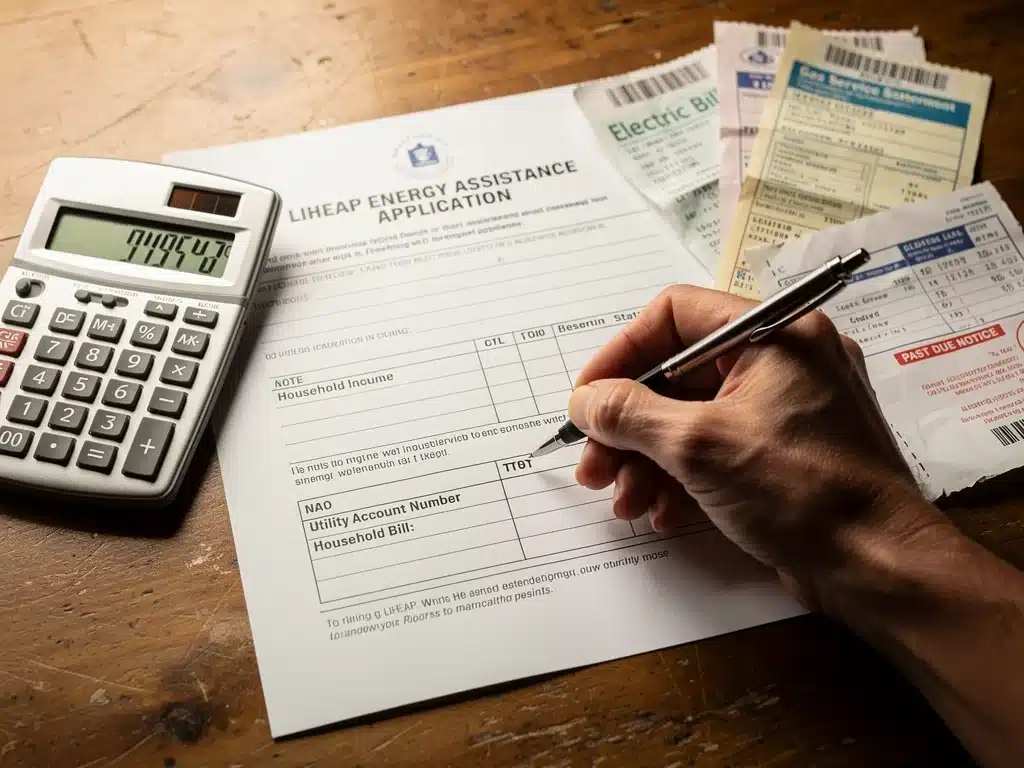
Applicants will need to gather various documents to support their application, including proof of income, household members, residency, and utility bills. Having these documents ready can significantly expedite the application review process.
Once the application is submitted, it undergoes a review process by the local agency to determine eligibility and the amount of assistance. This process can take several weeks, so it is advisable to apply as soon as possible, especially before peak heating or cooling seasons.
Where and How to Apply
The first step is to contact your state or tribal LIHEAP office to find the nearest local agency. Many states offer online application portals, while others require in-person submissions or mailed forms.
It is crucial to follow the specific instructions provided by your local agency, as application methods and required documentation can vary. Some agencies also offer assistance with completing the application forms.
Understanding the application window is also vital; some states have specific periods for heating assistance and cooling assistance, while others accept applications year-round. Missing these deadlines can delay or prevent access to LIHEAP Utility Credits.
Required Documentation for LIHEAP
- Proof of income for all household members (e.g., pay stubs, Social Security benefit letters, unemployment statements).
- Identification for all household members (e.g., driver’s licenses, birth certificates).
- Proof of residency (e.g., lease agreement, utility bill with address).
- Recent utility bills from your heating and cooling providers.
Maximizing Your LIHEAP Benefits
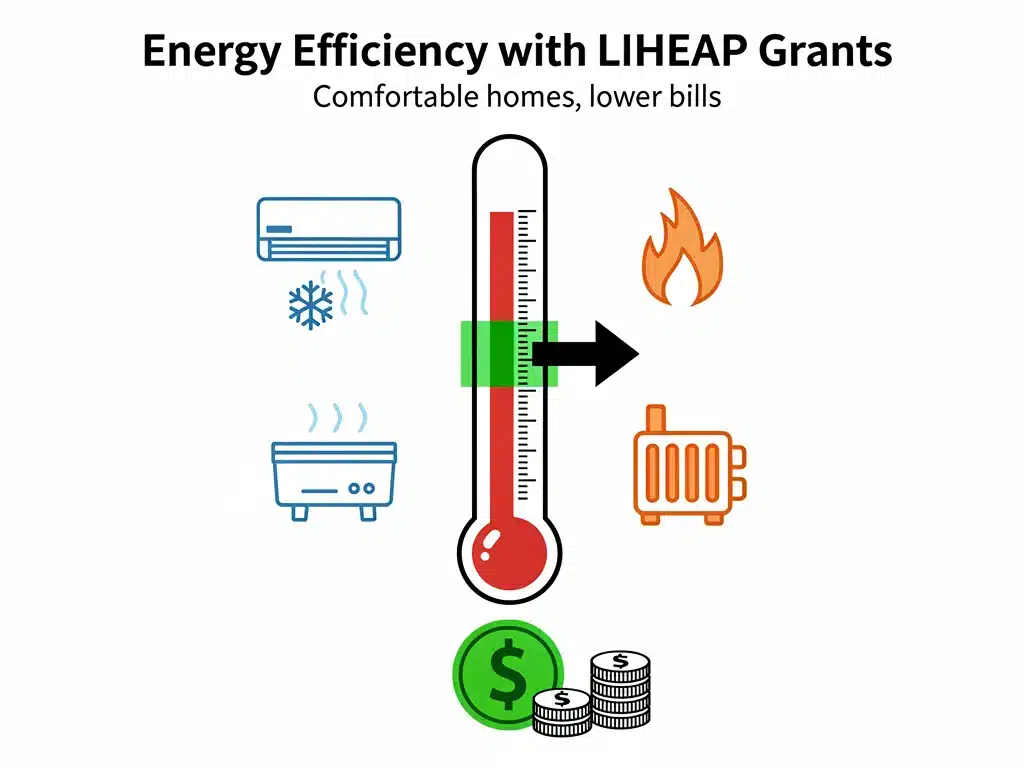
While LIHEAP Heating and Cooling Grants provides substantial relief, households can take additional steps to maximize their benefits and manage energy costs effectively. This often involves combining LIHEAP with other energy-saving strategies.
Exploring other federal and state energy assistance programs can provide supplementary support, ensuring a more comprehensive approach to energy affordability. Many states offer weatherization programs that can significantly reduce long-term energy consumption.
Implementing energy-saving practices at home, even small changes, can lead to noticeable reductions in utility bills. These practices, combined with LIHEAP Utility Credits, create a powerful strategy for maintaining a comfortable living environment without financial strain.
Combining LIHEAP with Other Programs
Many states integrate LIHEAP with weatherization assistance programs (WAP), which provide free energy-efficiency improvements to eligible homes. These improvements can include insulation, air sealing, and heating system repairs, leading to permanent reductions in energy use.
Some utility companies also offer their own assistance programs or discounted rates for low-income customers. Inquiring about these options can further reduce your energy burden and complement the support from LIHEAP Heating and Cooling Grants.
It is advisable to contact your local LIHEAP office or utility provider to learn about all available programs in your area. A coordinated approach ensures you leverage every possible resource to manage your energy expenses effectively.
Energy-Saving Tips for Households
- Regularly check and clean or replace furnace filters to ensure optimal heating and cooling efficiency.
- Seal air leaks around windows and doors with caulk or weatherstripping to prevent heat loss or gain.
- Lower your thermostat in winter and raise it in summer when you are away from home or sleeping.
- Utilize natural light during the day and close curtains or blinds at night to insulate your home.
Impact and Scope of LIHEAP Funding
The federal government allocates billions of dollars annually to the LIHEAP program, demonstrating a continued commitment to addressing energy poverty. These funds are distributed to states, territories, and tribal organizations, which then administer the program locally.
The amount of assistance a household receives from LIHEAP Heating and Cooling Grants can vary significantly based on factors such as income, household size, energy burden, and the specific policies of the administering state agency. While up to $1,500 is a common maximum, individual grants can differ.
Beyond direct financial aid, LIHEAP plays a crucial role in preventing utility shut-offs and ensuring health and safety, particularly for vulnerable populations. It acts as a critical safety net against the adverse effects of extreme temperatures and unaffordable energy costs.
Allocation and Distribution of Funds
States receive LIHEAP funds based on a formula that considers factors like heating and cooling degree days, poverty levels, and energy expenditures. This ensures that states with greater energy needs receive a larger share of the funding.
Local agencies then distribute these funds to eligible households, often through direct payments to utility companies on behalf of the beneficiaries. This streamlined process helps ensure that the LIHEAP Utility Credits are applied directly to energy bills.
The flexibility in state administration allows for tailored programs that address the unique energy challenges faced by different regions and communities. This localized approach is key to the program’s effectiveness in providing targeted assistance.
Preventing Energy Crises and Promoting Safety
A significant component of LIHEAP is crisis assistance, which provides immediate help to households facing energy emergencies, such as a potential utility shut-off or a broken heating system. This intervention can prevent severe health and safety risks.
By ensuring access to essential heating and cooling, LIHEAP contributes to better public health outcomes, especially for the elderly, young children, and individuals with chronic health conditions who are highly susceptible to temperature extremes.
The program’s focus on crisis prevention and immediate relief highlights its role as a critical social safety net, protecting the most vulnerable members of society from energy-related hardships and promoting overall well-being.
Recent Updates and Future Outlook for LIHEAP
The landscape of LIHEAP Heating and Cooling Grants is continually evolving, with ongoing discussions in Congress about future funding levels and program enhancements. These discussions often reflect current economic conditions and energy market trends.
Advocacy groups and policymakers consistently emphasize the need for robust and sustained funding to meet the growing demand for energy assistance. The program’s effectiveness is directly tied to its ability to reach all eligible households facing energy insecurity.
Looking ahead, there is a focus on streamlining the application process and increasing outreach to underserved communities, ensuring that more families are aware of and can easily access LIHEAP Utility Credits. Digitalization and community partnerships are key to these efforts.
Legislative Discussions and Funding Projections
Congressional appropriations committees regularly review and determine the annual budget for LIHEAP. These decisions are influenced by economic indicators, energy price forecasts, and the demonstrated need for assistance across states.
Advocates continue to push for increased funding, arguing that current allocations often fall short of meeting the full demand for LIHEAP Heating and Cooling Grants. The goal is to ensure adequate resources are available for all eligible low-income households.
Future legislative actions may also include provisions to expand eligibility criteria or introduce new components to the program, adapting it to evolving energy challenges and household needs, according to recent policy briefs.
Streamlining Access and Outreach
Efforts are underway to simplify the LIHEAP application process, making it less burdensome for applicants. This includes developing more user-friendly online portals and reducing the amount of documentation required in some cases.
Community-based organizations play a crucial role in outreach, helping to inform eligible households about the availability of LIHEAP Utility Credits and assisting them with the application. Partnerships between state agencies and local non-profits are being strengthened.
Targeted campaigns to reach specific vulnerable populations, such as rural communities, tribal nations, and households with limited English proficiency, are also a priority to ensure equitable access to these essential energy assistance programs.
Addressing Common Misconceptions About LIHEAP
Many misconceptions surround LIHEAP Heating and Cooling Grants, often leading eligible individuals to believe they do not qualify or that the process is overly complicated. Clarifying these points is essential for maximizing program participation.
One common misunderstanding is that LIHEAP is only for heating assistance, when in fact it also covers cooling costs, which are increasingly important during extreme summer temperatures. This dual coverage is vital for year-round energy security.
Another prevalent myth is that receiving LIHEAP benefits will negatively impact other government assistance programs. Generally, LIHEAP funds are not counted as income for most federal benefit programs, ensuring no adverse effects on other aid.
LIHEAP Beyond Heating: Cooling Assistance
While historically known for heating aid, LIHEAP provides substantial support for cooling costs, especially in regions experiencing prolonged and intense summer heatwaves. This aspect of the program is becoming increasingly critical for public health.
Households struggling to pay air conditioning bills during hot months can apply for LIHEAP Cooling Assistance. This helps prevent heat-related illnesses and ensures a safe indoor environment, particularly for the elderly and those with health conditions.
It is important for applicants to specify their need for cooling assistance on their application, as some states have distinct application periods or requirements for heating versus cooling components of LIHEAP Heating and Cooling Grants.
Impact on Other Benefits and Resources
A key feature of LIHEAP is that the assistance received does not typically affect eligibility for other federal benefits, such as SNAP (food stamps), Medicaid, or housing assistance. This is a crucial point for applicants to understand.
The non-countable nature of LIHEAP Utility Credits ensures that individuals and families can receive energy assistance without jeopardizing their access to other vital support programs. This policy encourages broader participation among eligible households.
Applicants should always confirm with their local LIHEAP office or the administrators of other benefit programs if they have specific concerns, but generally, LIHEAP is designed to complement, not conflict with, other forms of government aid.
| Key Point | Brief Description |
|---|---|
| What LIHEAP Offers | Direct utility credits up to $1,500 for heating and cooling costs. |
| Eligibility Overview | Income-based, typically 150% FPL or 60% state median income, with state variations. |
| Application Process | Contact local agency, gather income/residency proof, submit during open periods. |
| Maximizing Aid | Combine with weatherization and energy-saving practices for greater impact. |
Frequently Asked Questions About LIHEAP Grants
LIHEAP Heating and Cooling Grants are federal funds distributed to states to help low-income households cover home energy costs. These grants provide direct utility credits, typically up to $1,500, for both heating and cooling expenses, preventing energy crises and ensuring essential services.
Eligibility is primarily based on household income, generally at or below 150% of the federal poverty level or 60% of the state median income. Criteria can vary by state, and factors like household size, age of members, or disability status may also influence qualification.
To apply, locate your local LIHEAP agency through your state or tribal office. You will need to provide proof of income, residency, household members, and utility bills. Applications can often be submitted online, in person, or by mail, depending on local agency procedures.
Yes, LIHEAP provides assistance for both heating in cold seasons and cooling in hot seasons. This dual support is crucial for maintaining safe indoor temperatures year-round. Specific application periods and requirements may vary for heating versus cooling components by state.
Generally, no. LIHEAP funds are typically not counted as income when determining eligibility for most other federal assistance programs, such as SNAP or Medicaid. This policy ensures that recipients can access energy aid without jeopardizing other vital benefits.
Looking Ahead
The continued availability of LIHEAP Heating and Cooling Grants remains a critical component of the nation’s social safety net. As energy costs and climate patterns continue to evolve, the program’s adaptability and sustained funding will be paramount.
Monitoring legislative developments and local agency updates will be essential for both current and prospective beneficiaries to fully leverage these vital resources.