Low-Income Subsidy (Extra Help) Rules for 2026: Securing $0 Copays on Prescriptions Below the 150% Poverty Line
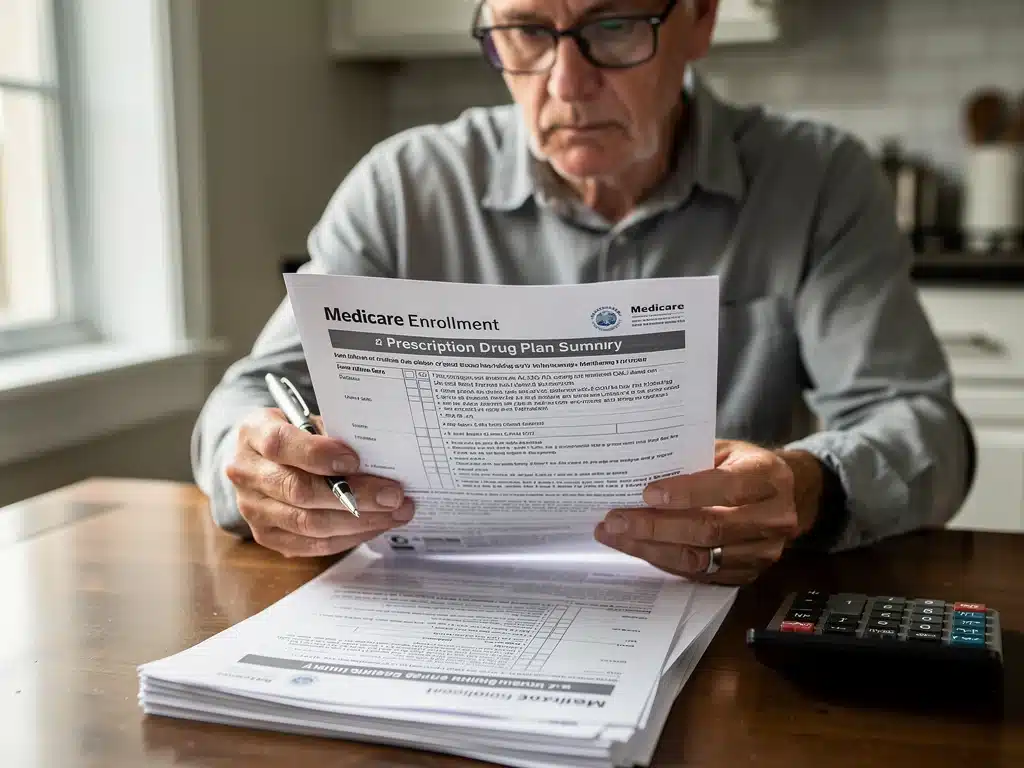
Are high medication bills straining your monthly budget? The updated Low-Income Subsidy Rules for Medicare Part D provide vital financial relief for eligible beneficiaries earning below 150% of the federal poverty line.
This expanded federal assistance eliminates costly deductibles and lowers out-of-pocket prescription expenses to predictable, minimal amounts.
By expanding full Extra Help benefits to more low-income seniors and individuals with disabilities, federal regulations eliminate partial subsidies in favor of maximum coverage.
Qualifying individuals enjoy zero-dollar plan premiums alongside waived late-enrollment penalties, dramatically reducing the financial burden of essential maintenance drugs.
Navigating these updated asset thresholds and income guidelines allows families to maximize Medicare drug benefits without sacrificing necessary care. Securing this federal drug subsidy ensures continuous access to life-saving pharmaceuticals while keeping healthcare costs fully manageable.
Understanding the Low-Income Subsidy (Extra Help) Rules for 2026
The Centers for Medicare & Medicaid Services (CMS) has announced significant updates to the Low-Income Subsidy (Extra Help) Rules for 2026, primarily focusing on beneficiaries at or below 150% of the federal poverty line.
These revisions aim to simplify the program and eliminate out-of-pocket prescription drug costs for eligible individuals.
This initiative builds upon previous legislative efforts to make prescription drugs more affordable under Medicare Part D. The goal is to ensure that financial barriers do not prevent low-income seniors and individuals with disabilities from accessing life-saving medications.
The impending changes are poised to have a profound impact on millions of Americans, providing much-needed relief from the burden of high drug costs. Stakeholders across the healthcare spectrum are closely monitoring these developments to prepare for their implementation.
Key Changes to Eligibility and Benefits for 2026
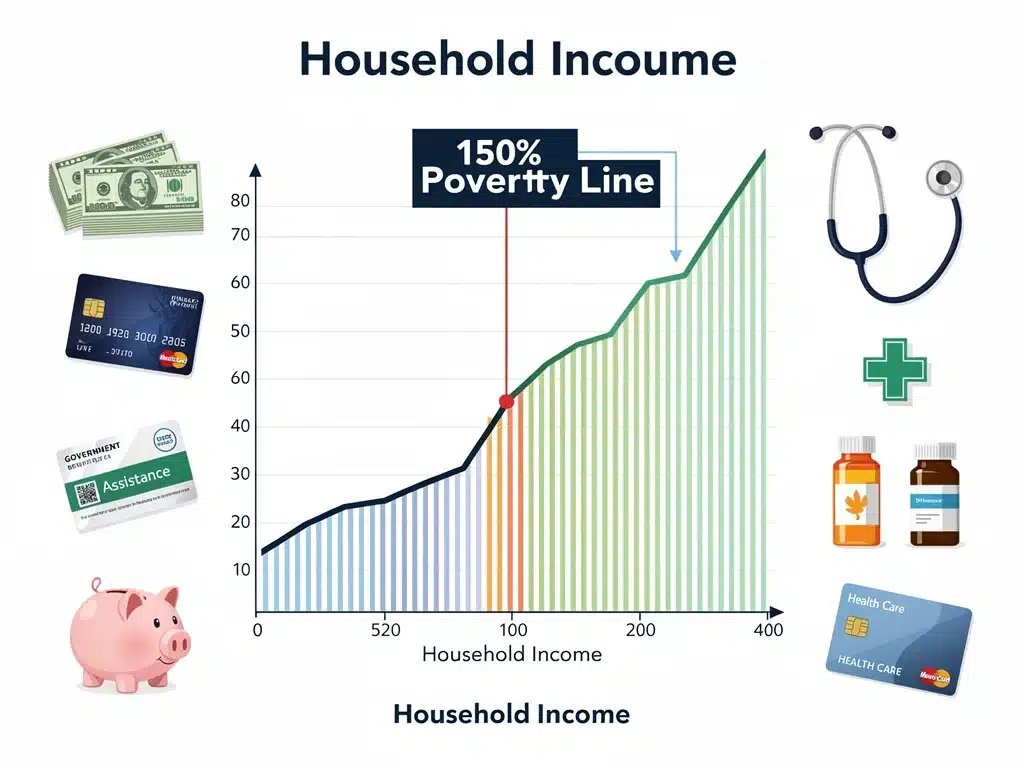
For 2026, a pivotal change is the expansion of $0 copays for individuals whose income is below 150% of the federal poverty level.
This means that beneficiaries who qualify will no longer face any out-of-pocket costs for their covered prescription drugs, a substantial improvement from previous years.
Previously, some beneficiaries within this income bracket might have still incurred modest copayments, creating a barrier for those with extremely limited financial resources. The new rules simplify this by setting a clear $0 copay structure for this income group.
This adjustment is expected to significantly enhance medication adherence and overall health outcomes for low-income beneficiaries. It removes a major financial hurdle, allowing individuals to focus on their health without the added stress of prescription costs.
Expanded Income Thresholds and Asset Limits
The updated rules for the Low-Income Subsidy (Extra Help) for 2026 will also involve adjustments to the income and asset limits, although specific figures are typically released closer to the implementation date.
These adjustments are designed to reflect current economic realities and expand the pool of eligible individuals.
It is crucial for potential applicants to review the updated thresholds once they are officially published by the Social Security Administration (SSA) and CMS. These figures will determine who qualifies for the enhanced benefits, including the $0 copays.
Keeping abreast of these financial parameters is vital for anyone considering applying or reassessing their eligibility for the Low-Income Subsidy (Extra Help) program. The goal is to cast a wider net, ensuring more individuals receive the assistance they need.
- Income limits will be adjusted annually to account for inflation.
- Asset limits will also see revisions, potentially allowing more savings for beneficiaries.
- The SSA website will be the primary source for official, updated figures.
Securing $0 Copays: What Beneficiaries Need to Know
To secure $0 copays under the Low-Income Subsidy (Extra Help) Rules for 2026, beneficiaries must first confirm their eligibility.
This typically involves an application process through the Social Security Administration, which assesses income and assets against federal poverty guidelines.
Once approved, the Extra Help program automatically enrolls beneficiaries into a Medicare Part D plan that offers the lowest premiums and provides the specified cost-sharing reductions, including the new $0 copays for those below 150% of the poverty line.
It is important to remember that eligibility can change year-to-year based on income, assets, and federal poverty level adjustments. Therefore, regular review of one’s financial situation and program updates is highly recommended.
Application Process and Documentation
The application for the Low-Income Subsidy (Extra Help) can be completed online, by mail, or in person at a local Social Security office. Required documentation typically includes proof of income, assets, and Medicare enrollment information.
The SSA provides clear instructions and assistance for completing the application, making the process as straightforward as possible for applicants. They also offer resources for those who need help gathering the necessary documents.
Ensuring all documentation is accurate and complete can expedite the application review process. Any discrepancies or missing information could delay the approval of benefits, including the crucial $0 copays on prescriptions.
- Gather recent tax returns, bank statements, and investment records.
- Have your Medicare card readily available for application details.
- Contact the SSA directly for any questions regarding the application.
Impact on Medicare Part D Plans and Enrollment
The revisions to the Low-Income Subsidy (Extra Help) Rules for 2026 are expected to influence Medicare Part D plans significantly.
Plans will need to adapt their benefit structures to accommodate the new $0 copay requirements for eligible members, potentially leading to adjustments in plan offerings.
This could result in a more competitive landscape among Part D providers as they strive to attract and retain beneficiaries qualifying for Extra Help. Plans may highlight their ability to seamlessly integrate these enhanced subsidies into their offerings.
Beneficiaries currently receiving Extra Help should anticipate communications from their plans regarding these changes and how they will be implemented. It is a good time to review current plan benefits against the new provisions.
Automatic Enrollment and Re-evaluation
Many beneficiaries who already receive Extra Help are automatically re-evaluated for eligibility each year, and their subsidies are adjusted accordingly. For 2026, those already receiving partial Extra Help and falling below 150% of the poverty line may automatically transition to the $0 copay benefit.
However, individuals who believe they now qualify due to changes in income or assets, or who were previously ineligible, should proactively apply. The SSA will notify beneficiaries of their eligibility status and any required actions.
It is important for beneficiaries to promptly respond to any requests for information from the SSA or Medicare to ensure their benefits, including the $0 copays for prescription drugs, are not interrupted. Timely action is key to maintaining continuous coverage.
Addressing Common Concerns and Misconceptions
One common misconception about the Low-Income Subsidy (Extra Help) Rules for 2026 is that applying for Extra Help is complicated or will affect other government benefits.
In reality, the application is designed to be user-friendly, and receiving Extra Help generally does not impact other federal aid programs like Medicaid or Supplemental Security Income (SSI).
Another concern often revolves around the privacy of financial information. The SSA handles all personal and financial data with strict confidentiality, using it solely for the purpose of determining eligibility for the subsidy program.
Clarifying these points is crucial to encourage eligible individuals to apply for the benefits they are entitled to. The program is a vital safety net, and misinformation should not deter those who can benefit from seeking assistance.
Dispelling Myths About Extra Help
Some people mistakenly believe that Extra Help only covers a limited number of drugs or specific conditions. In fact, the subsidy applies to all covered prescription drugs under an individual’s Medicare Part D plan, ensuring comprehensive support for medication needs.
Another myth is that beneficiaries must switch to a generic-only plan to receive Extra Help. While generic drugs are often more affordable, the subsidy reduces costs for both generic and brand-name drugs, allowing beneficiaries access to a wider range of medications.
These clarifications are essential for beneficiaries to make informed decisions about their healthcare and prescription drug coverage. Accurate information empowers individuals to fully utilize the benefits offered by the Low-Income Subsidy (Extra Help) program.
Resources and Support for Beneficiaries
Numerous resources are available to help beneficiaries understand and apply for the Low-Income Subsidy (Extra Help) Rules for 2026. The Social Security Administration website is the primary source for official information, application forms, and detailed guides.
Additionally, Medicare.gov provides comprehensive information on Part D plans and how Extra Help integrates with them. State Health Insurance Assistance Programs (SHIPs) offer free, personalized counseling to Medicare beneficiaries on all aspects of their coverage.
These support systems are designed to ensure that no eligible individual misses out on the opportunity to receive financial assistance for their prescription drug costs. Utilizing these resources can make a significant difference in managing healthcare expenses.
Where to Find Additional Assistance
Local Area Agencies on Aging (AAAs) and senior centers often provide assistance with Medicare and Extra Help applications. These community-based organizations can offer hands-on support and answer specific questions.
For those who prefer direct communication, the Social Security Administration’s toll-free number is a valuable resource for inquiries. Representatives can guide callers through the application process and address individual concerns.
Engaging with these support channels ensures that beneficiaries have access to accurate, up-to-date information and personalized guidance. This collaborative approach helps maximize the reach and effectiveness of the Low-Income Subsidy (Extra Help) program.
Preparing for the 2026 Implementation
As the 2026 implementation date approaches, beneficiaries should proactively review their current Medicare Part D coverage and financial situation. Understanding how the new Low-Income Subsidy (Extra Help) Rules for 2026 will affect them is a crucial first step.
It is advisable to gather all necessary financial documents, such as income statements and asset information, in anticipation of potential application or re-evaluation processes. Early preparation can prevent delays in receiving benefits.
Staying informed through official channels like the SSA and CMS websites will ensure beneficiaries have the most accurate and timely information. This proactive approach will help secure the maximum benefits available.
Actionable Steps for Beneficiaries
One immediate action is to visit the Social Security Administration‘s website to check current eligibility requirements and begin familiarizing oneself with the application process. Even if not immediately eligible, understanding the criteria is beneficial.
Another step involves contacting a SHIP counselor to discuss individual circumstances and how the upcoming changes to the Low-Income Subsidy (Extra Help) might apply. These counselors are experts in Medicare and can offer tailored advice.
Finally, keeping an eye on official announcements from CMS and SSA regarding the specific income and asset thresholds for 2026 is paramount. These details will solidify who benefits from the $0 copays on prescriptions.
| Key Point | Brief Description |
|---|---|
| $0 Copays | Eliminates out-of-pocket costs for prescriptions below 150% poverty line. |
| Expanded Eligibility | Adjusted income and asset limits to include more beneficiaries. |
| Application Process | Apply via SSA online, mail, or in person; requires financial documentation. |
| Part D Impact | Influences plan offerings and enrollment for low-income individuals. |
Frequently Asked Questions About Low-Income Subsidy 2026
The Low-Income Subsidy (Extra Help) Rules for 2026 refer to updated Medicare Part D provisions designed to reduce prescription drug costs for low-income beneficiaries. A key change is the elimination of copays for those below 150% of the federal poverty line, ensuring $0 out-of-pocket expenses for covered medications.
Beneficiaries whose income falls below 150% of the federal poverty level and meet specific asset limits are eligible for $0 copays. The Social Security Administration (SSA) determines eligibility based on an application that assesses an individual’s financial situation.
You can apply for Extra Help through the Social Security Administration’s website, by mail, or in person at a local SSA office. The application requires documentation of your income, assets, and Medicare enrollment details to determine your eligibility for the Low-Income Subsidy 2026 benefits.
Yes, the changes to the Low-Income Subsidy (Extra Help) Rules for 2026 may affect your current Medicare Part D plan. Your plan may adjust its offerings, or you might be automatically re-evaluated for enhanced benefits, including the new $0 copays, if you qualify under the revised thresholds.
Official information about the Low-Income Subsidy (Extra Help) Rules for 2026 can be found on the Social Security Administration (SSA) website and Medicare.gov. Additionally, State Health Insurance Assistance Programs (SHIPs) offer personalized counseling and up-to-date details on these important changes.
Looking Ahead
The updated Low-Income Subsidy (Extra Help) Rules for 2026 represent a significant step towards making prescription drugs more accessible and affordable for America’s most vulnerable populations.
The elimination of copays for those below 150% of the federal poverty line is a landmark change that will directly impact daily lives.
As these rules approach implementation, ongoing vigilance and proactive engagement from beneficiaries are crucial. Monitoring official announcements from the SSA and CMS will ensure individuals can fully leverage the benefits of the Low-Income Subsidy (Extra Help) program.
These developments underscore a broader commitment to enhancing healthcare equity and reducing financial strain on seniors and disabled individuals. The long-term implications are expected to foster better health outcomes and greater peace of mind for millions.