Understanding Future Employment Models in the Modern Workplace
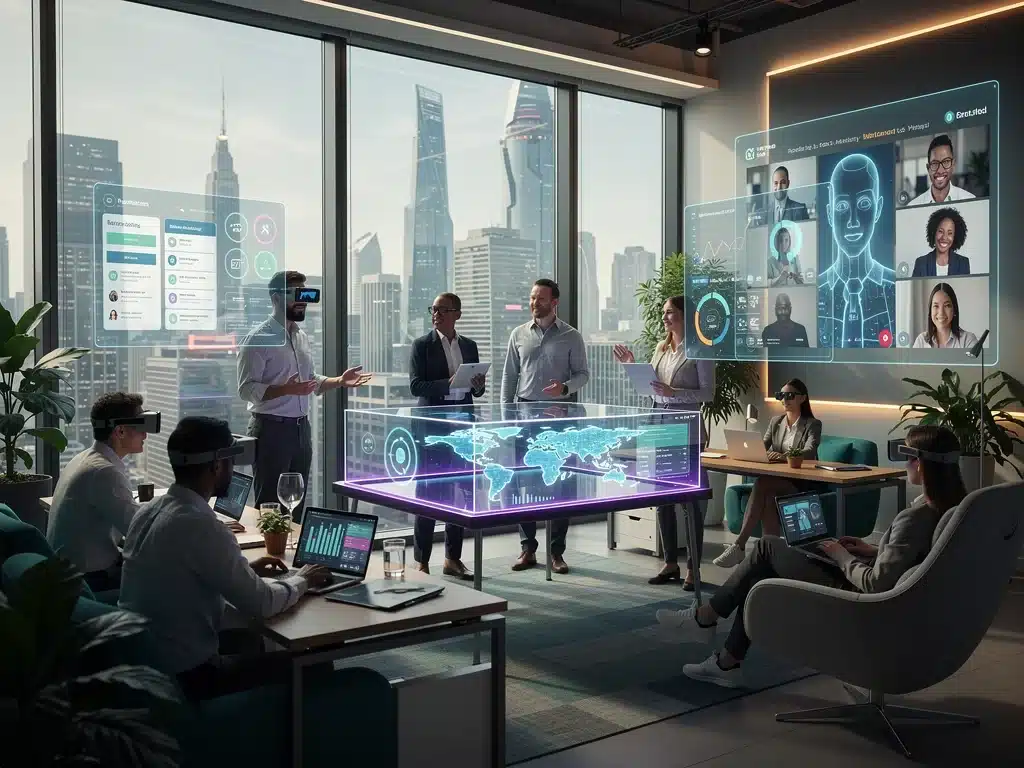
The 9-to-5 desk job is no longer the default standard; instead, future of employment models are being rewritten in real time by AI integration, borderless talent pools, and dynamic work structures.
What used to be radical workplace experimentation has now become the baseline expectation for 2026 and beyond.
Whether you are navigating your next career move or leading an enterprise through digital transformation, these evolving workforce paradigms will directly impact your day-to-day reality. Navigating this shift requires more than just adapting—it demands a clear understanding of where the labor landscape is heading next.
Below, we break down the core shifts redefining modern job frameworks, cutting through the noise to deliver actionable insights that will help both professionals and organizations thrive in the new economy.
The Evolving Landscape of Work: A New Paradigm Emerges
The traditional 9-to-5 office job is increasingly becoming a relic of the past, giving way to more dynamic and flexible arrangements.
This shift is driven by technological advancements, changing employee expectations, and the imperative for businesses to remain agile in a volatile market. The focus is now on output and value creation, rather than mere presence.
Companies are actively exploring various innovative structures to optimize productivity and attract top talent. These strategies are not just about cost-cutting; they are about fostering environments where innovation can flourish and employees feel empowered.
This transformation is fundamental to understanding future of employment models.
The implications of these changes extend beyond individual companies, influencing entire industries and national economies.
Governments and educational institutions are also adapting, recognizing the need to prepare the workforce for these new realities. Policies and curricula are being updated to support continuous learning and adaptability.
Remote and Hybrid Work: The New Standard
The pandemic accelerated the adoption of remote and hybrid work models, proving their viability and often enhancing productivity.
Many organizations now view these flexible arrangements as permanent fixtures, offering employees greater autonomy and work-life balance. This flexibility is a significant draw for talent.
However, successful implementation requires robust technological infrastructure, clear communication protocols, and a culture of trust.
Companies are investing heavily in digital tools and training to ensure seamless operations across distributed teams. The long-term success hinges on effective management and employee engagement.
- Increased employee satisfaction and retention rates.
- Access to a broader talent pool, unconstrained by geography.
- Reduced operational costs related to office space.
The Rise of the Gig Economy and Freelancing
The gig economy continues to expand, offering individuals unprecedented flexibility and diverse income streams.
Freelancing, contract work, and project-based assignments are becoming preferred choices for many, moving away from traditional full-time employment. This model empowers professionals to dictate their own terms.
This trend necessitates a re-evaluation of benefits, social security, and worker protections, as traditional frameworks often fall short for independent contractors.
Policy discussions are ongoing to create more equitable and secure conditions for gig workers. Businesses are also adapting their engagement strategies.
- Opportunity for specialized skills to be utilized across multiple projects.
- Greater autonomy and control over work schedules.
- Potential for higher earning capacity for in-demand skills.
The expansion of these flexible structures is redefining career paths and professional development. Individuals must proactively manage their careers, build strong personal brands, and continuously acquire new skills to remain competitive.
The onus is increasingly on the individual to navigate this dynamic environment.
Technological Integration and Automation: Shaping Roles
Artificial intelligence, machine learning, and automation are not just enhancing efficiency; they are fundamentally reshaping job roles and creating entirely new ones.
This technological integration demands a workforce that is adaptable, tech-savvy, and capable of collaborating with intelligent systems. The human-machine interface is becoming a critical skill.
While some fear job displacement, the prevailing view is that technology will augment human capabilities, allowing professionals to focus on higher-value, creative, and strategic tasks.
The challenge lies in managing this transition effectively, ensuring that workers are equipped with the necessary skills. This is central to understanding future of employment models.
Companies are leveraging these technologies to streamline operations, personalize customer experiences, and gain competitive advantages.
The strategic deployment of AI and automation is becoming a cornerstone of modern business strategy. Ethical considerations and responsible AI development are also paramount.
AI and Automation: Augmenting Human Capabilities
Instead of replacing human workers entirely, AI and automation are increasingly seen as tools that enhance human performance.
Repetitive and data-intensive tasks are being automated, freeing up human workers to engage in more complex problem-solving, critical thinking, and interpersonal interactions. This synergy is a powerful driver of productivity.
This shift requires a new emphasis on skills that are uniquely human, such as emotional intelligence, creativity, and complex communication.
Education and training programs are adapting to cultivate these attributes, ensuring the workforce remains relevant. The human element becomes even more valuable in this technologically advanced landscape.
- Improved efficiency and accuracy in routine tasks.
- Enhanced decision-making through data analysis and insights.
- Creation of new job roles focused on AI development and management.
Data-Driven Decision Making and Analytics
The proliferation of data demands professionals who can analyze, interpret, and leverage insights to drive strategic decisions. Data literacy is becoming a universal skill, essential across all sectors and job functions. Organizations are becoming increasingly data-centric.
From marketing to operations, understanding data trends and metrics is crucial for identifying opportunities, mitigating risks, and optimizing performance.
Investing in data analytics capabilities is no longer optional but a strategic imperative. This proficiency will define success in future of employment models.
- Strategic insights for business growth and innovation.
- Personalized customer experiences and product development.
- Predictive capabilities for market trends and operational efficiency.
The continuous evolution of technology means that learning cannot be a one-time event but a lifelong pursuit.
Organizations must foster a culture of continuous learning and provide resources for upskilling and reskilling their employees. This proactive approach ensures a resilient and future-ready workforce.
Skills for the Future: Adaptability and Continuous Learning
The rapid pace of change in the job market means that static skill sets quickly become obsolete. Adaptability, critical thinking, problem-solving, and emotional intelligence are no longer soft skills but essential competencies for survival and success.
These attributes allow individuals to navigate uncertainty and embrace new challenges.
Lifelong learning is not just a buzzword; it is a fundamental requirement for staying competitive. Professionals must proactively seek out new knowledge, embrace new technologies, and continuously refine their capabilities.
This commitment to growth is a defining characteristic of successful careers in future of employment models.
Educational institutions, employers, and individuals all share responsibility in fostering this culture of continuous development.
Partnerships between academia and industry are crucial for aligning curricula with the demands of the evolving job market. Investing in human capital is an investment in the future.
Upskilling and Reskilling Initiatives
Many organizations are recognizing the importance of investing in their existing workforce through comprehensive upskilling and reskilling programs.
These initiatives aim to equip employees with the new competencies required to adapt to technological advancements and evolving business needs. This proactive approach mitigates talent gaps.
Government programs and private sector initiatives are also emerging to support individuals in acquiring in-demand skills.
These programs often focus on digital literacy, data science, cybersecurity, and advanced manufacturing, preparing workers for high-growth sectors. The goal is to ensure no one is left behind in the transition.
- Maintaining relevance in a rapidly changing job market.
- Enhancing career progression and opportunities.
- Boosting employee morale and engagement.
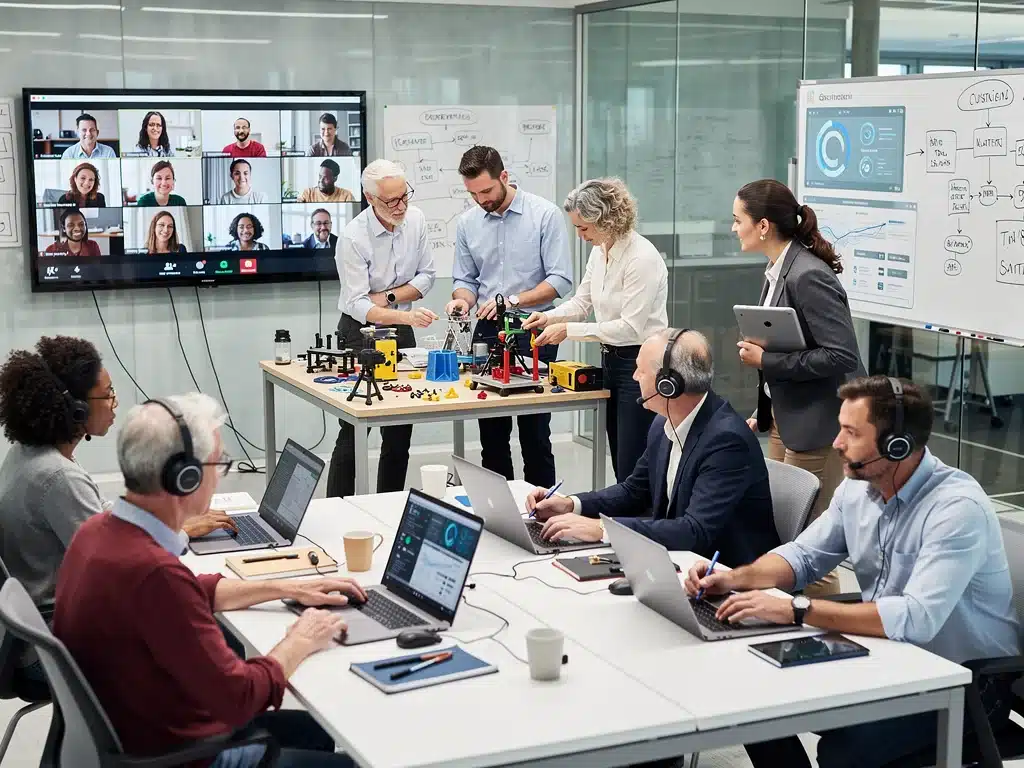
The ability to learn new skills quickly and apply them effectively will be a key differentiator.
This includes both technical proficiencies and crucial soft skills, such as collaboration, creativity, and cross-cultural communication. The holistic development of individuals is paramount for navigating the complexities of future of employment models.
The Importance of Well-being and Mental Health
As work models become more flexible and often more demanding, the focus on employee well-being and mental health has gained unprecedented importance.
Organizations are recognizing that a healthy workforce is a productive workforce. This holistic approach to employee care is critical for sustained success.
Burnout, stress, and mental health challenges can significantly impact productivity and retention. Employers are implementing comprehensive wellness programs, offering mental health support, and promoting work-life integration.
These initiatives reflect a deeper understanding of human capital management.
Creating a supportive and inclusive work environment is not just a moral imperative but a strategic advantage.
Companies that prioritize employee well-being are more likely to attract and retain top talent, fostering a resilient and engaged workforce. This is a non-negotiable aspect of sustainable future of employment models.
Building Inclusive and Supportive Work Environments
Diversity, equity, and inclusion (DEI) initiatives are becoming integral to modern workplaces, fostering environments where all employees feel valued and respected.
An inclusive culture promotes psychological safety, encourages diverse perspectives, and drives innovation. This is a cornerstone of effective talent management.
Beyond policy, it requires a conscious effort to challenge biases, promote equitable opportunities, and cultivate a sense of belonging for everyone.
Leadership commitment and ongoing education are vital for embedding DEI principles throughout the organization. The benefits extend to all stakeholders.
- Enhanced creativity and problem-solving through diverse perspectives.
- Higher employee engagement and reduced turnover.
- Improved organizational reputation and brand appeal.
Work-Life Integration and Flexibility
The blurring lines between work and personal life, exacerbated by remote work, necessitate a focus on work-life integration rather than strict balance. Employees seek flexibility to manage personal responsibilities alongside professional commitments. This flexibility is a key expectation for many.
Companies are responding by offering flexible hours, compressed workweeks, and generous leave policies. The emphasis is on outcomes, allowing employees to manage their time in a way that maximizes both personal well-being and professional contribution.
This approach is fundamental to attracting and retaining talent in future of employment models.
- Greater autonomy over personal and professional time.
- Reduced stress and improved mental health.
- Increased loyalty and commitment from employees.
Prioritizing employee well-being and creating supportive environments are not just trends but fundamental shifts in how organizations view their most valuable asset: their people. This human-centric approach will define success in the competitive landscape of tomorrow.
Ethical Considerations and Corporate Responsibility
As businesses adopt new technologies and employment models, ethical considerations and corporate responsibility come to the forefront.
Issues such as data privacy, algorithmic bias, fair labor practices, and environmental sustainability are increasingly scrutinized by consumers, employees, and regulators. Transparency and accountability are paramount.
Companies are expected to operate with integrity, ensuring their practices align with societal values and contribute positively to the communities they serve. A strong commitment to ethical conduct builds trust and enhances brand reputation. This is a critical component of sustainable business practices.
The role of corporations extends beyond profit generation to include a broader responsibility to stakeholders and the planet.
This expanded view of corporate purpose is influencing strategic decisions and shaping public perception. Navigating these complexities is essential for success in future of employment models.
Data Privacy and Algorithmic Fairness
The increasing reliance on data and AI brings significant concerns about privacy and potential algorithmic bias.
Companies must implement robust data protection measures and ensure that AI systems are developed and deployed ethically, avoiding discriminatory outcomes. Trust is built on responsible data stewardship.
Regulations like GDPR and CCPA highlight the growing importance of data privacy, requiring businesses to be transparent about data collection and usage.
Auditing AI algorithms for fairness and accountability is also becoming standard practice. These measures protect individuals and maintain public confidence.
- Ensuring compliance with data protection regulations.
- Preventing bias and discrimination in automated decision-making.
- Building consumer trust through transparent data practices.
Sustainable Practices and Environmental Impact
Environmental sustainability is no longer a niche concern but a core business imperative. Companies are integrating eco-friendly practices into their operations, supply chains, and product development, responding to consumer demand and regulatory pressures.
This commitment reflects a global shift towards responsible consumption.
From reducing carbon footprints to promoting circular economy principles, businesses are actively seeking ways to minimize their environmental impact.
This focus on sustainability not only benefits the planet but also enhances brand value and attracts environmentally conscious talent. It’s a key aspect of modern corporate responsibility.
- Reducing operational carbon footprint and waste.
- Developing sustainable products and services.
- Enhancing brand reputation and attracting eco-conscious consumers.
Operating with a strong ethical compass and a commitment to corporate responsibility is not just about compliance; it’s about building a resilient and respected organization that thrives in the long term. These principles will underpin successful future of employment models.
Globalization and Diverse Talent Pools
The interconnectedness of the global economy means that businesses are increasingly tapping into diverse talent pools beyond national borders.
This globalization of talent offers immense opportunities for innovation, growth, and competitive advantage. Access to a wider range of skills and perspectives fuels creativity.
Managing global teams requires cultural intelligence, effective cross-cultural communication, and inclusive leadership. Companies must develop strategies to bridge geographical and cultural differences, fostering a cohesive and productive international workforce. This global mindset is critical for success.
Immigration policies, international labor laws, and economic shifts all play a significant role in shaping the accessibility and dynamics of global talent pools.
Navigating these complexities requires careful planning and a deep understanding of international markets. This is central to understanding future of employment models.
Leveraging Global Talent for Innovation
Accessing diverse talent from around the world brings a wealth of different perspectives, experiences, and skill sets, fostering greater innovation.
Global teams can offer unique insights into various markets and customer needs, leading to more creative solutions and competitive products. This diversity is a powerful asset.
Companies are strategically recruiting internationally, leveraging remote work technologies to integrate talent from different regions seamlessly. This approach not only fills skill gaps but also enriches the organizational culture. The ability to harness global talent is a significant differentiator.
- Access to specialized skills not readily available locally.
- Enhanced problem-solving and creativity through diverse viewpoints.
- Greater understanding of international markets and consumer behavior.
Cultivating Cross-Cultural Collaboration
Effective collaboration across diverse cultures requires intentional effort and specific strategies to overcome potential communication barriers and cultural differences.
Training in cultural intelligence and promoting empathy are crucial for building strong, cohesive global teams. This investment in understanding pays dividends.
Tools and platforms that facilitate asynchronous communication and project management are essential for ensuring smooth operations across different time zones.
Establishing clear guidelines and fostering an inclusive environment where all voices are heard are vital for successful cross-cultural teamwork. This is paramount for future of employment models.
- Improved team cohesion and productivity in global settings.
- Reduced misunderstandings and conflicts.
- Development of a more inclusive and adaptive organizational culture.
Embracing globalization and actively cultivating diverse talent pools are key strategies for businesses aiming to remain competitive and innovative in the coming years. The future of work is inherently global, demanding a flexible and culturally aware approach to talent management.
| Key Area | Impact on Future Employment Models |
|---|---|
| Flexible Work | Remote and hybrid models become standard, increasing autonomy and global talent access. |
| Technological Integration | AI and automation augment human roles, requiring new skills and data literacy. |
| Lifelong Learning | Continuous upskilling and reskilling are essential for career relevance and adaptability. |
| Employee Well-being | Mental health and work-life integration are prioritized for a productive workforce. |
Frequently Asked Questions About Future Employment Models
The primary drivers include rapid technological advancements, evolving employee expectations for flexibility, and the necessity for businesses to remain agile in dynamic global markets. These factors collectively push organizations to rethink traditional work structures and adopt innovative approaches to talent management.
AI and automation are expected to augment human capabilities rather than simply replace jobs. While some routine tasks will be automated, new roles requiring uniquely human skills like creativity, critical thinking, and emotional intelligence will emerge. Job security will increasingly depend on adaptability and continuous upskilling.
Critical skills will include adaptability, digital literacy, data analytics, problem-solving, and emotional intelligence. Professionals must also cultivate strong communication and collaboration skills, along with a commitment to lifelong learning, to navigate the evolving demands of the future job market effectively.
Companies are increasingly prioritizing employee well-being by implementing comprehensive wellness programs, offering mental health support, and promoting work-life integration. Flexible work arrangements, inclusive cultures, and leadership training are also key strategies to ensure a healthy and productive workforce.
Corporate responsibility is becoming central, encompassing ethical considerations like data privacy, algorithmic fairness, and environmental sustainability. Businesses are expected to operate transparently, contribute positively to society, and align their practices with broader societal values, building trust with stakeholders and consumers.
Looking Ahead: Navigating the New World of Work
The insights into future of employment models for 2026 and beyond underscore a fundamental transformation in how we approach careers and organizational structures.
Understanding these shifts is not merely academic; it is a practical necessity for both individuals and enterprises.
The emphasis on flexibility, technological integration, continuous learning, well-being, and ethical practice will define success in the coming years. Staying informed and proactive will be key to thriving in this dynamic new world of work, where adaptability is the ultimate currency.