Energy Assistance Programs 2026: How to Secure LIHEAP Funding Before the Winter Season Peaks
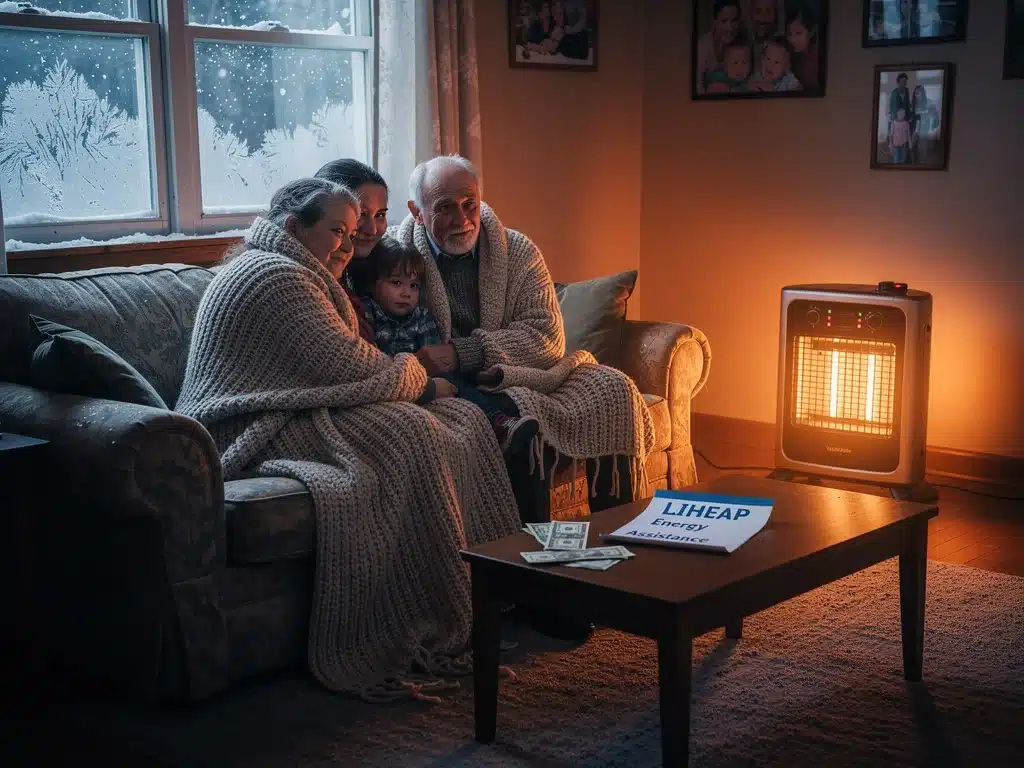
As winter approaches, rising utility bills shouldn’t force you to choose between heating and eating. Now is the critical time to Secure LIHEAP Funding and protect your home from the upcoming seasonal freeze.
Government-backed energy assistance is moving fast, with updated application timelines and state-specific guidelines rolling out across the United States. Acting early ensures your family accesses vital federal relief resources before local budgets run dry.
This straightforward guide breaks down the latest eligibility shifts and crucial deadlines for 2026. Discover exactly how to navigate the utility aid pipeline and claim your household’s financial lifeline today.
Understanding LIHEAP: Your Gateway to Energy Assistance
The Low Income Home Energy Assistance Program (LIHEAP) is a federally funded program designed to help low-income households with their energy bills.
It provides critical support for heating and cooling costs, weatherization, and energy-related home repairs, directly impacting the well-being of vulnerable populations.
Administered by states and tribal organizations, LIHEAP offers a lifeline to those struggling to afford essential utilities.
The program aims to prevent energy crises, assist with high energy costs, and provide low-cost weatherization and energy-related minor home repairs, making LIHEAP Funding 2026 indispensable.
For LIHEAP Funding 2026, eligibility generally depends on household income, size, and energy burden. Each state sets its specific criteria, often based on federal poverty guidelines or a percentage of the state median income, making local research crucial.
Federal Mandate and State Implementation
LIHEAP operates under federal guidelines, but its implementation is decentralized, allowing states to tailor programs to local needs.
This flexibility means that while the core mission remains consistent, the specifics of how LIHEAP Funding 2026 is distributed and the services offered can vary significantly from one state to another.
States receive block grants from the U.S. Department of Health and Human Services (HHS) and then allocate these funds to local agencies.
These local agencies are typically responsible for processing applications, determining eligibility, and distributing assistance, making them the primary point of contact for securing LIHEAP Funding 2026.
This structure underscores the importance of consulting state and local LIHEAP offices directly for the most accurate and up-to-date information. Their websites and contact lines are invaluable resources for potential applicants seeking LIHEAP Funding 2026.
Key Components of LIHEAP Assistance
- Heating Assistance: Helps with the cost of heating your home during cold weather.
- Cooling Assistance: Provides aid for air conditioning during hot summer months.
- Crisis Assistance: Offers immediate help for households facing an energy emergency.
- Weatherization and Energy-Related Repairs: Funds improvements to make homes more energy-efficient.
Eligibility Requirements for LIHEAP Funding 2026
Determining eligibility for LIHEAP Funding 2026 is the first critical step for any applicant. While federal guidelines provide a framework, specific income thresholds and other criteria are established at the state and local levels, necessitating careful review of local program details.
Generally, households must have incomes at or below 150% of the federal poverty level or 60% of the state median income, whichever is greater.
Some states may also consider factors like household size, energy costs relative to income, and the presence of elderly, disabled, or young children.
It is important to note that even if your income slightly exceeds these thresholds, you might still qualify under certain circumstances, such as high energy burden. Checking with your state or local LIHEAP office is always the most reliable way to confirm your eligibility.
Income Guidelines and Household Size
The primary determinant for LIHEAP Funding 2026 eligibility is household income. Applicants will need to provide documentation of all income sources for every member of their household, typically for the past 30 days or a specific recent period, to demonstrate they meet the financial criteria.
Income verification can include pay stubs, Social Security benefit letters, unemployment statements, and other financial records.
The number of people living in your household also plays a significant role, as income thresholds increase with household size.
It is crucial to gather all necessary income documentation before applying to avoid delays in processing your application. Incomplete applications are a common reason for rejections or prolonged waiting periods for LIHEAP Funding 2026.
Additional Factors for Consideration
- Energy Burden: Households with a disproportionately high percentage of income spent on energy may receive priority.
- Vulnerable Populations: Households with individuals who are elderly, disabled, or young children often receive preference.
- Residency: Applicants must be legal residents of the state where they are applying for LIHEAP Funding 2026.
- Utility Account: You typically need to be responsible for paying your household’s energy bills directly or indirectly.
The Application Process for LIHEAP Funding 2026
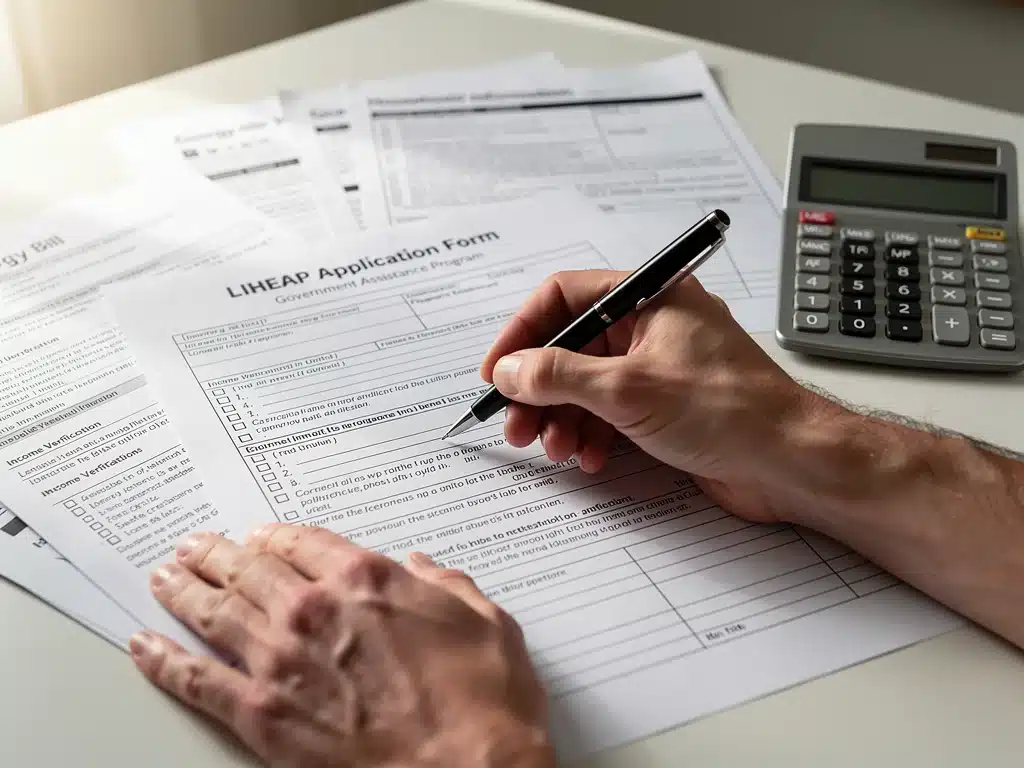
Applying for LIHEAP Funding 2026 requires careful attention to detail and adherence to specific procedures. The process typically involves submitting a detailed application form along with various supporting documents to your local administering agency.
Most states offer online application portals, while others may require in-person submission or mail-in applications. It is essential to identify the correct application method for your state and locality to ensure smooth processing of your LIHEAP Funding 2026 request.
Starting the application process early is highly recommended, especially as winter approaches and demand for LIHEAP Funding 2026 increases. This proactive approach helps avoid potential delays due to high volumes of applications.
Required Documentation
To successfully apply for LIHEAP Funding 2026, applicants must provide a range of documents to verify their identity, residency, income, and household energy situation.
Gathering these documents beforehand can significantly streamline the application process and prevent common pitfalls.
Commonly requested documents include photo identification for all adult household members, proof of address (such as a utility bill or lease agreement), social security cards for all household members, and recent income statements.
You will also need copies of your most recent utility bills to demonstrate your energy costs and account information.
It is advisable to create a checklist of all required documents specific to your state or local agency. Having everything organized will expedite the review of your application for LIHEAP Funding 2026 and reduce the likelihood of requests for additional information.
Where and How to Apply
- State LIHEAP Websites: Most states have dedicated websites with application forms and local office contact information.
- Local Community Action Agencies: These agencies often administer LIHEAP and provide in-person assistance with applications.
- Utility Companies: Some utility providers can offer information or direct you to the appropriate LIHEAP application channels.
- Online Portals: Many states now facilitate online applications, allowing for convenient and often faster submission.
Key Deadlines and Seasonal Considerations for LIHEAP Funding 2026
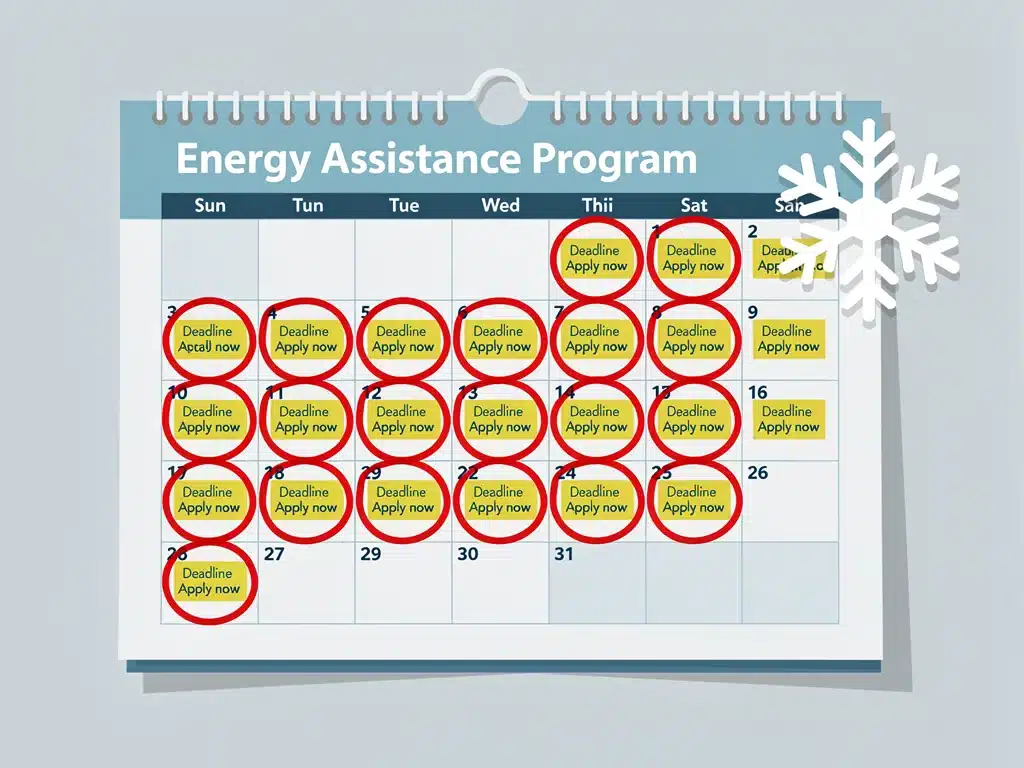
Deadlines are a critical component of securing LIHEAP Funding 2026, as programs are often seasonal and funds are limited. Missing an application window can mean waiting until the next cycle, potentially leaving households vulnerable during peak energy demand periods.
Most states open their application periods for heating assistance in the fall and cooling assistance in the spring. However, these dates can vary, and some states operate on a first-come, first-served basis until funds are exhausted, making early application essential.
It is imperative to stay informed about the specific application periods and deadlines in your state and local jurisdiction. Official state LIHEAP websites and local energy assistance offices are the best sources for this time-sensitive information.
Anticipating the Winter Season Peaks
The winter season typically brings the highest demand for heating assistance, and consequently, for LIHEAP Funding 2026.
As temperatures drop, energy consumption rises, placing a significant financial strain on low-income households. This surge in demand often leads to a quicker depletion of available funds.
Preparation is key; many states encourage applications for winter heating assistance to begin as early as October or November.
Applying well before the coldest months ensures that your application for LIHEAP Funding 2026 is reviewed and potentially approved before utility bills become unmanageable.
Monitoring local news and official announcements from your state’s energy assistance programs can provide crucial alerts about opening dates and any changes to the application process, helping you stay ahead of the curve.
Emergency and Crisis Assistance
- Immediate Need: Crisis assistance is available for households facing an imminent energy shut-off or lacking fuel.
- Faster Processing: These applications are often fast-tracked due to the urgent nature of the situation.
- Documentation for Crisis: Additional proof of crisis, such as a shut-off notice, may be required.
- Limited Funds: Crisis funds are also limited, emphasizing the need for proactive application.
Maximizing Your Chances of Receiving LIHEAP Funding 2026
Securing LIHEAP Funding 2026 can be a competitive process, given the high demand and limited resources. However, several strategies can significantly improve your application’s success rate and ensure you receive the assistance your household needs.
Accuracy and completeness of your application are paramount. Any missing information or discrepancies can lead to delays or outright rejection, making it crucial to double-check all entries and attached documents before submission.
Proactive engagement with your local LIHEAP office, including asking questions and seeking clarification, can also be beneficial. They are there to help you navigate the process and understand specific requirements.
Tips for a Successful Application
One of the most effective ways to ensure a successful application for LIHEAP Funding 2026 is to prepare all necessary documentation well in advance.
This includes proof of identity, residency, income for all household members, and recent utility bills. Having these ready minimizes last-minute stress and potential errors.
Additionally, pay close attention to any specific instructions or forms provided by your state or local agency.
Some areas may have unique requirements or offer supplemental forms that can strengthen your case, especially if you fall into a priority group.
Do not hesitate to follow up on your application if you do not hear back within the stated processing time.
A polite inquiry can sometimes help ensure your application for LIHEAP Funding 2026 is still moving through the system, though patience is also often required due to high volumes.
What to Do If Denied
- Understand the Reason: Request a clear explanation for the denial from the LIHEAP office.
- Appeal Process: Most states have an appeals process in place; understand the steps and deadlines.
- Re-apply: If the denial was due to missing information, gather it and re-apply promptly.
- Seek Alternatives: Explore other local energy assistance programs or utility company payment plans if LIHEAP is not an option.
Beyond LIHEAP: Other Energy Assistance Programs
While LIHEAP Funding 2026 is a cornerstone of energy assistance, it is not the only resource available to households struggling with utility costs.
A variety of other programs, offered by federal, state, local, and private entities, can provide additional relief or serve as alternatives if LIHEAP is not an option.
Many utility companies, for instance, offer their own assistance programs, payment arrangements, or budget billing options to help customers manage their energy expenses. These programs often have different eligibility criteria and application processes.
Exploring these supplementary programs can provide a more comprehensive safety net for households. Combining assistance from multiple sources, where permissible, can significantly alleviate the financial burden of energy costs, complementing LIHEAP Funding 2026 efforts.
Utility Company Programs and Discounts
Most major utility providers offer a range of programs designed to assist low-income customers or those facing financial hardship. These can include energy efficiency audits and upgrades, deferred payment arrangements, or direct bill payment assistance.
It is highly recommended to contact your specific utility providers (electric, gas, and even water) to inquire about their customer assistance programs.
Many have dedicated departments or resources to help customers navigate these options, which can be invaluable when seeking support.
Some utility programs also offer discounts for seniors, individuals with disabilities, or households with specific medical needs. These specialized programs can provide ongoing relief and are worth investigating in conjunction with or as an alternative to LIHEAP Funding 2026.
State and Local Initiatives
- Weatherization Assistance Program (WAP): Federally funded program improving home energy efficiency for low-income households.
- Emergency Rental Assistance Programs: Some programs may cover utility arrears as part of rental assistance.
- Local Charities and Non-profits: Many community organizations offer direct financial aid or referrals for energy assistance.
- Energy Crisis Intervention Programs: State-specific programs that provide immediate aid during energy emergencies, sometimes distinct from federal LIHEAP crisis funds.
Advocacy and Future of Energy Assistance
The landscape of energy assistance is continually evolving, driven by policy changes, economic fluctuations, and the ongoing efforts of advocacy groups. Understanding these broader trends can provide context for the availability and structure of LIHEAP Funding 2026 and beyond.
Advocates regularly push for increased funding and more streamlined access to programs like LIHEAP, recognizing their vital role in poverty reduction and public health. These efforts often influence legislative decisions and the allocation of federal dollars, directly impacting the scope.
Staying informed about these advocacy efforts and potential legislative changes can offer insights into the future direction of energy assistance. Engaged citizens can also contribute by contacting their elected officials to express support for robust funding for programs.
Legislative Outlook and Funding Levels
The level of federal funding for LIHEAP is determined annually by Congress, making it subject to political priorities and budgetary constraints.
While the program consistently receives appropriations, the exact amount can fluctuate, impacting how much LIHEAP Funding 2026 is available to states.
Advocacy organizations and energy assistance coalitions consistently lobby for consistent and increased funding, highlighting the program’s effectiveness in preventing energy poverty.
Monitoring legislative discussions and reports from organizations like the National Energy Assistance Directors’ Association (NEADA) can provide insight into potential funding levels.
These discussions are crucial because they directly affect the number of households that can be served and the average benefit amount. A strong advocacy voice helps ensure that programs like LIHEAP Funding 2026 remain a priority in federal budgeting.
Impact of Climate Change and Energy Efficiency
- Increased Demand: Extreme weather events due to climate change can intensify energy demands for heating and cooling.
- Efficiency Initiatives: Integration of energy efficiency and weatherization components within LIHEAP aims to reduce long-term energy costs for beneficiaries.
- Sustainable Solutions: Policy discussions increasingly focus on sustainable energy solutions to complement direct financial aid.
- Long-term Planning: Future energy assistance strategies may incorporate more robust energy conservation measures to reduce reliance on direct payments and extend the impact of LIHEAP Funding 2026.
| Key Point | Brief Description |
|---|---|
| Early Application | Apply for LIHEAP Funding 2026 well before winter to secure funds. |
| Eligibility Check | Verify income, household size, and state-specific criteria for LIHEAP Funding 2026. |
| Required Documents | Gather ID, income proof, and utility bills for a complete LIHEAP Funding 2026 application. |
| Local Resources | Contact state/local LIHEAP offices and utility companies for specific program details. |
Frequently Asked Questions About LIHEAP Funding 2026
It is highly recommended to apply as early as possible, typically in the fall for heating assistance, before the peak winter season. Application periods vary by state, so check your local LIHEAP office’s website for specific opening dates and deadlines for LIHEAP Funding 2026.
You will generally need proof of identity for all household members, income verification (pay stubs, benefit letters), proof of residency, and copies of your most recent utility bills. Always check your state’s specific requirements for LIHEAP Funding 2026 before applying.
Yes, renters can often qualify for LIHEAP Funding 2026, especially if their energy costs are included in their rent or if they pay their utility bills directly. Provide relevant rental agreements and utility statements as proof of housing and energy responsibility.
If your application for LIHEAP Funding 2026 is denied, you typically have the right to appeal the decision. Contact your local LIHEAP office to understand the reason for denial and the steps for their appeals process. You can also explore other local assistance options.
Yes, many utility companies offer their own customer assistance programs, budget billing, or energy efficiency initiatives. State and local charities or non-profits may also provide aid. Inquire with your specific utility providers and local community organizations for additional support beyond LIHEAP Funding 2026.
Looking Ahead
The ongoing efforts to secure Secure LIHEAP Funding 2026 underscore the persistent need for robust energy assistance programs across the nation. As winter approaches, the timely availability of these funds is critical for countless households.
Readers should prioritize early application and meticulous preparation, staying abreast of state-specific deadlines and requirements.
The interplay between federal allocations, state implementation, and local outreach will continue to shape the effectiveness of these vital programs, making informed engagement essential for those seeking support.